 EN
EN

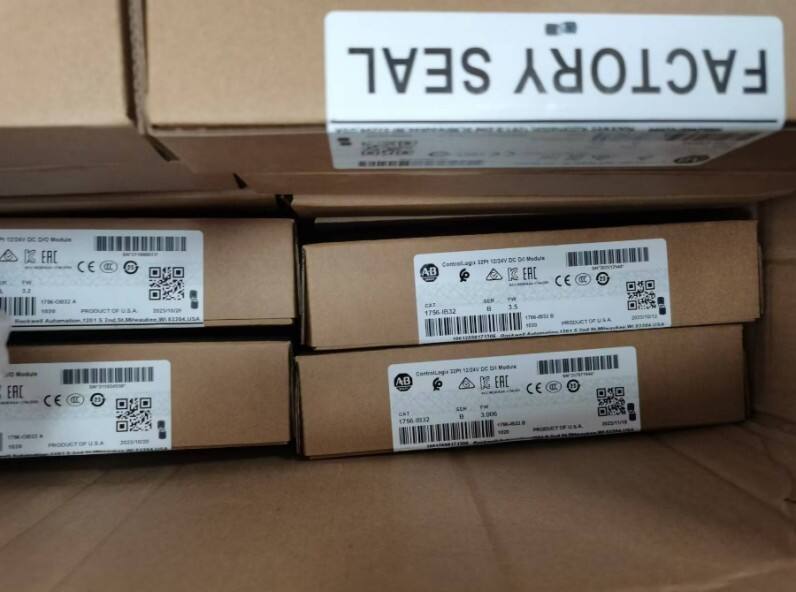
Understanding PLC System Architecture and Core Components
Programmable logic controllers, or PLCs as they're commonly called, form the backbone of industrial automation when dealing with complex manufacturing processes. Understanding how these systems are built is pretty much a must if someone wants to pick the right modules for their specific needs. At its core, a PLC works by combining both hardware and software elements that communicate with each other seamlessly. Most factories today go for modular PLC setups because they offer so much flexibility. Take the automotive industry for instance IndustryWeek reported last year that around 78% of auto plants have made the switch to modular systems. Still, getting the most out of these installations really comes down to knowing what's going on under the hood architecturally speaking.
The Role of PLC Modules in Overall System Functionality
PLC modules act like the brain behind most automation systems, taking information from sensors and turning it into actions. The input side basically collects data from things like photoelectric sensors, whereas outputs send commands to stuff like motors and valves. There are also these specialized modules available nowadays, such as those handling analog signals or connecting different networks together. These extra components let machines do more complex jobs, from controlling temperatures precisely to talking between different parts of a factory floor setup.
Core Components: CPU, Power Supply, Backplane, and I/O Modules
Every PLC system is built on four fundamental components:
- CPU: Executes control logic with cycle times as fast as 2 ns in advanced processors
- Power Supply: Provides stable 24V DC power (±5% tolerance) to all modules
- Backplane: Enables high-speed data transfer between modules, supporting up to 100 Gbps
- I/O Modules: Offer electrical isolation (typically 1500–2500V) between field equipment and the controller
According to a 2024 automation engineering study, 63% of system failures stem from mismatched I/O module specifications, underscoring the importance of precise component selection.
Modular vs. Fixed PLC Design: Key Structural Differences
| Feature | Modular PLC | Fixed PLC |
|---|---|---|
| Expandability | Scalable I/O via chassis slots | Fixed I/O count |
| Maintenance | Hot-swappable components | Full system downtime |
| Cost Structure | Higher initial, lower long-term | Lower upfront cost |
| Typical Application | Large-scale manufacturing | Standalone machinery |
Types of PLCs (Modular, Compact, Rack-Mounted) and Their Use Cases
Modular PLCs are standard in petrochemical facilities requiring explosion-proof I/O cards. Compact PLCs with integrated I/O (8–32 points) suit space-constrained applications like packaging machines. Rack-mounted systems support over 500 I/O points and are commonly used in energy infrastructure projects with redundant power supplies for mission-critical reliability.
Assessing I/O Requirements and Future Expansion Needs
Analyzing Digital, Analog, and Special I/O Requirements for Automation Tasks
Effective PLC module selection begins with categorizing I/O needs:
- Digital I/O manages binary signals from devices like limit switches (24V DC/AC)
- Analog I/O handles continuous variables such as 4–20mA temperature sensors
- Specialized modules support high-speed counting or motion control
A recent industry survey found that 68% of automation failures result from incorrect I/O configurations. In chemical processing, this might involve dedicating 20% of analog inputs to pH and pressure monitoring while reserving digital outputs for solenoid valves.
Matching I/O Ports to Field Devices: Sensors, Actuators, and Drives
Proximity sensors typically require sinking DC inputs, whereas variable-frequency drives (VFDs) need analog outputs for speed control. In a bottling line case study, assigning dedicated high-speed counters to encoder inputs reduced timing errors by 41% compared to shared configurations.
Future Expansion Planning: Ensuring Spare I/O Capacity and Memory
Designing modular PLC systems with 25–30% spare I/O capacity supports cost-effective scaling. For example, WM Machines’ expansion framework demonstrated that pre-wired spare modules reduced retrofit downtime by 55% in automotive assembly lines. Key planning benchmarks include:
| Expansion Factor | Recommended Buffer | Implementation Example |
|---|---|---|
| I/O Points | 30% | Reserved slots in rack |
| Memory | 40% | Tag-based addressing |
| Power Supply | 20% | Redundant PSUs |
Seventy-eight percent of automotive manufacturers now mandate modular architectures to meet evolving Industry 4.0 demands, compared to 42% in traditional discrete manufacturing.
Ensuring Compatibility Across PLC Modules and Control Ecosystems
Hardware Compatibility: Aligning Voltage, Current, and Module Specifications
Mismatched electrical specifications cause 34% of automation system failures. Engineers must verify compatibility across three critical areas:
- Voltage ratings: Match power supply output (typically 24VDC or 120VAC) within ±5% tolerance
- Current thresholds: Ensure I/O modules meet device requirements (e.g., 2–20mA for analog sensors)
- Form factors: Confirm DIN rail or chassis slot alignment to prevent mechanical issues
A 2023 control system study revealed that 41% of PLC retrofits fail initial testing due to undersized power supplies unable to support added modules.
Integration of Communication and I/O Modules Within the Same Chassis
Modern PLC chassis require careful planning when mixing module types:
| Integration Factor | Digital I/O Modules | Analog I/O Modules | Safety Modules |
|---|---|---|---|
| Backplane Speed | 10µs scan time | 50µs scan time | 15µs response |
| Isolation | 500V AC | 150V AC | 2500V AC |
| Heat Dissipation | 2W/module | 5W/module | 3.5W/module |
Physically separating high-frequency communication modules (e.g., EtherCAT, PROFINET) from analog components reduces electromagnetic interference by 78% in test environments.
Compatibility With Existing Control Systems and Communication Protocols
Legacy protocols remain prevalent, with 62% of plants still using DeviceNet or PROFIBUS alongside modern OPC UA networks. Dual-protocol modules enable seamless integration by:
- Translating real-time data between Fieldbus and TCP/IP
- Preserving investments in existing field devices
- Supporting phased migration to IIoT-ready systems
Plants using protocol-agnostic PLC modules report 40% faster integration times than those relying on proprietary ecosystems, based on automation upgrade benchmarks.
Evaluating Scalability and Long-Term Flexibility in Modular Systems
Advantages of Scalability and Expandability in Modular PLC Systems
With modular PLC systems, engineers don't have to replace entire setups when they need upgrades. Just slip in a few specific parts like those analog input cards or communication gateways and save anywhere from 35 to maybe even 50 percent on what would otherwise be a complete overhaul of fixed PLC installations. The flexibility really matters for things like water treatment plants. Imagine wanting to add some pH monitoring capability but still keeping all those pumps running smoothly without shutting down operations entirely. That's exactly what these modular approaches make possible in real world settings across different industries.
Planning for Long-Term Growth Using Expandable vs. Fixed PLC Design
Scalable PLC configurations typically reserve 15–25% spare capacity across unused I/O points, communication ports (e.g., Profinet), and 30% additional memory for future program expansion. In contrast, fixed PLCs used in conveyor systems often necessitate complete controller replacements when adding features like vision inspection stations.
Case Study: Scaling a Packaging Line With Additional I/O Modules
A consumer goods manufacturer upgraded 14 legacy packaging machines by installing modular safety I/O slices. This $23,000 retrofit eliminated $210,000 in planned PLC replacements and achieved 99.8% signal consistency across mixed-generation equipment.
Application-Based Selection Criteria for Optimal PLC Module Matching
Matching PLC Capacity and Scalability to Project-Specific Demands
Selecting the right PLC modules means aligning hardware capabilities with operational needs. Industry best practices recommend choosing systems that support at least 25% more I/O points than current requirements. Food processing plants using modular PLCs, for instance, report 30% faster integration of new sensors compared to fixed systems.
Comparative Analysis: Unitary vs. Modular PLCs in Discrete Manufacturing
Studies show modular PLCs reduce upgrade costs by 40% compared to fixed systems in automotive assembly (Industrial Automation Trends, 2024). Discrete manufacturers prefer modular designs for multi-stage production lines, where adding specialized analog I/O modules avoids the need for entirely new controllers.
Data Point: 78% of Automotive Plants Prefer Modular PLC Architecture for Flexibility
Surveys confirm that 78% of automotive plants prioritize modular PLC architecture to support rapid retooling during model changes. This approach reduces changeover downtime by 22% compared to unitary PLC setups.
Controversy Analysis: Open Standards vs. Proprietary Module Ecosystems
While 62% of engineers support open-standard PLC systems to avoid vendor lock-in, proprietary ecosystems remain dominant in highly regulated industries like pharmaceuticals. These closed systems simplify validation but increase long-term costs by 18% compared to open architectures.
Frequently Asked Questions
What is a PLC?
A Programmable Logic Controller (PLC) is an industrial computer used to monitor inputs and outputs, and make logic-based decisions for automated processes or machines.
Why are modular PLC systems preferred in industries?
Modular PLC systems are preferred because they offer flexibility, scalability, and cost savings when upgrading or expanding setup functions without the need for complete system replacement.
What are the core components of a PLC system?
The core components of a PLC system include the CPU, Power Supply, Backplane, and I/O Modules, which together facilitate the seamless operation of automation systems.
How do I handle data transfer and communication within PLC systems?
Data transfer and communication within PLC systems are managed through modules like communication gateways, which reduce interference and facilitate integration with existing systems.
Table of Contents
- Understanding PLC System Architecture and Core Components
- Assessing I/O Requirements and Future Expansion Needs
- Ensuring Compatibility Across PLC Modules and Control Ecosystems
- Evaluating Scalability and Long-Term Flexibility in Modular Systems
- Application-Based Selection Criteria for Optimal PLC Module Matching
- Frequently Asked Questions