 EN
EN

High-Volume Manufacturing with Repetitive Tasks
Use Cases of Industrial Automation in Mass Production Environments
Automation really shines when factories need to keep producing large quantities of products without variation, especially in places making cars, electronic devices, and household items. According to some research from the Ponemon Institute back in 2024, plants that rely on automated systems hit about 99.8 percent consistency in their production runs. That's way better than what manual operations manage, which typically hover around 94.6%. The difference matters most in industries such as chip manufacturing. Even tiny changes measured in micrometers can mean the difference between good chips and defective ones, so getting those numbers right counts for everything in these high-stakes operations.
Integrating Robotics and Process Automation for Consistent Output
Modern production lines combine collaborative robots (cobots) with PLC-controlled systems to manage tasks ranging from precision welding to microchip placement. At a leading automotive supplier, torque-controlled robotic arms integrated with real-time quality sensors reduced human error in bolt-tightening operations by 83%, showcasing how automation enhances both accuracy and reliability.
Optimizing Operational Efficiency and Throughput
Automation-driven factories deliver 18–22% higher throughput than conventional setups, according to the 2023 Material Handling Efficiency Report. Key drivers include:
- Closed-loop systems adjusting conveyor speeds via machine vision feedback
- AI-driven algorithms optimizing energy use per unit produced
- Automated tool changers cutting equipment idle time by 62%
Case Study: Automotive Assembly Line Automation Boosting Productivity by 40%
A Tier 1 auto parts manufacturer implemented modular robotic cells for drivetrain assembly, achieving significant improvements within 10 months:
| Metric | Pre-Automation | Post-Automation | Improvement |
|---|---|---|---|
| Units/hour | 48 | 67 | +39.6% |
| Defect rate | 2.1% | 0.4% | -81% |
| Changeover time | 22 minutes | 9 minutes | -59% |
These results align with findings from the Manufacturing Process Optimization Council, which shows digitally-integrated automation reduces non-value-added tasks by 31% in high-volume settings.
Real-Time Production Monitoring and Data-Driven Optimization
Leveraging IoT and Sensors for Real-Time Production Monitoring
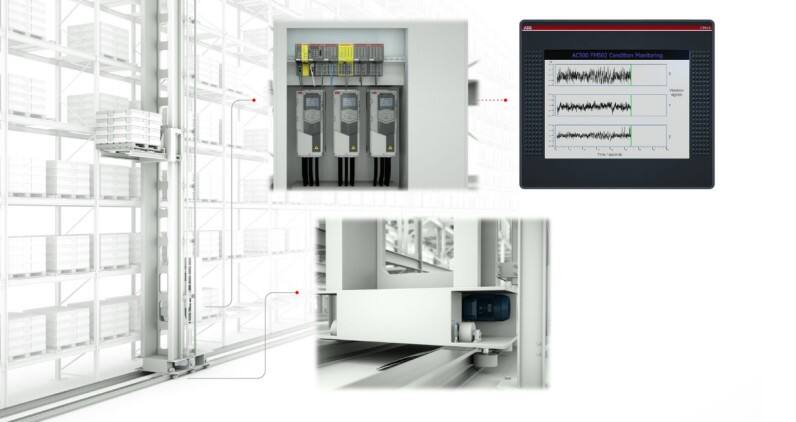
Sensors connected to the Internet of Things give manufacturers much better insight into what's happening across their facilities. These include wireless vibration detectors, thermal imaging devices, and RFID tracking systems that gather information about how machines are performing, where materials are moving, and how much energy is being consumed throughout the day. Take chemical processing plants for instance - according to a recent study from Industry 4.0 Efficiency Report in 2024, temperature monitoring systems there spot problems roughly 87 percent quicker compared to when workers check things manually. All this collected information ends up in central monitoring screens where factory supervisors can spot issues fast, like spotting when shipments arrive late or when certain CNC machines aren't working at full capacity.
Integrating Automation with IoT for Smarter, Data-Driven Decisions
Manufacturers can achieve something called closed loop optimization when they bring together IoT networks and robotic process automation. Take for instance a local bakery that managed to cut down on wasted ingredients by around 23 percent after connecting their IoT humidity sensors directly to the speed of their robotic fillers. These kinds of system integrations make it possible to adjust workflows on the fly too. For example, if there's unexpected equipment failure, the system can automatically prioritize rush orders instead of letting them get lost in the queue. Looking at Industry 4.0 standards, companies that combine these technologies typically see about a third less unplanned downtime than those running separate systems. Some studies even suggest the savings might be higher depending on how well everything is implemented across different manufacturing environments.
AI-Powered Decision Making for Dynamic Scheduling and Adjustments
AI systems crunch real time data from all those connected devices out there and figure out scheduling stuff that would take humans forever to process. Take one car parts maker who cut their energy bills by around 15 percent when they let an AI system tweak furnace temps based on what orders were coming next in line. Research shows this kind of approach works pretty well across manufacturing floors. The same tech can spot when materials might run short days before it actually happens, so the system automatically kicks off purchase requests through their enterprise resource planning software. And here's something interesting - these smart systems catch tiny delays during assembly that nobody notices until it's too late. This early warning helps keep production moving smoothly even when suppliers start acting up or shipping gets messed up somehow.
Predictive Maintenance to Minimize Downtime
Industrial automation is transforming maintenance strategies, with predictive systems now preventing failures before they occur. By analyzing sensor data on vibration, temperature, and acoustics, modern platforms can forecast issues 3–6 weeks in advance. According to 2023 maintenance industry analysis, 92% of manufacturers using these tools avoid catastrophic breakdowns.
AI-Driven Predictive Maintenance Reducing Downtime by Up to 50%
Machine learning algorithms analyze historical performance data from PLCs and SCADA systems to detect subtle failure patterns undetectable to humans. This enables proactive interventions, such as replacing worn bearings or recalibrating misaligned motors, reducing downtime by 40–50% in packaging and metalworking applications.
Machine Learning Models Enhancing Predictive Maintenance Accuracy
Deep neural networks trained on lubrication cycles and thermal imaging achieve 89% accuracy in predicting rotating equipment failures. Ensemble models combining decision trees with time-series analysis reduce false alarms by 31% compared to traditional threshold-based alerts.
Digital Twins Enabling Virtual Failure Simulations in Process Automation
Digital twins create virtual replicas of production lines, allowing engineers to simulate scenarios like pump seal degradation or conveyor belt tension changes. Chemical plants report 27% fewer emergency shutdowns after adopting digital twin technology, which optimizes maintenance timing while preserving safety margins.
Balancing Algorithm Reliance and Technician Expertise in Maintenance
While AI processes over 15,000 data points per second, experienced technicians offer critical context about unusual operating conditions. Top-performing programs pair algorithmic alerts with human-led root cause analysis, resulting in 68% faster mean-time-to-repair than fully automated approaches in field trials.
AI-Powered Quality Control and Defect Detection
AI-powered systems are redefining quality assurance, achieving sub-1% error rates across diverse production environments. Unlike manual inspections constrained by fatigue and visual limits, these solutions enable real-time defect detection across 15+ material types and surface finishes.
Computer Vision Systems for Automated Visual Inspection
High-resolution 100MP cameras paired with convolutional neural networks detect sub-millimeter defects at speeds of 120 frames per second. A 2023 automotive study showed these systems reduced paint imperfections by 76% while inspecting 2,400 components per hour. The same technology ensures fabric quality in textiles by evaluating 58 parameters including warp, weft, and dye consistency.
Defect Detection in Semiconductor Fabrication Using AI
In semiconductor manufacturing, deep learning models identify 3nm-scale irregularities, 400 times smaller than a human hair. During photolithography, AI cross-references over 12,000 historical defect patterns to flag high-risk wafers, achieving 99.992% detection accuracy in recent trials.
Improving Quality Control Accuracy by 90% with Deep Learning
When it comes to spotting flaws, neural networks trained on around 50 million images of defective parts beat old-school optical sorting systems by nearly 93%. The numbers tell an interesting story too. A recent industry report from early 2024 found that when manufacturers combined AI with human inspectors for quality checks, they saw a massive jump in productivity. First pass yields went up 62%, while those annoying false alarms dropped by almost three quarters in precision casting operations. What really makes these systems stand out is their ability to adapt. These smart systems tweak their sensitivity settings based on different materials being processed, so there's barely any difference (less than half a percent) in how accurately defects get classified whether it's morning or night shift.
Automated Inventory and Supply Chain Integration
Streamlining Supply Chains with Industry 4.0 and Industrial Automation Solutions
When companies bring together industrial automation and Industry 4.0 concepts, they create supply chains that can adapt quickly to changes. Modern automated setups keep tabs on where raw materials are at any given moment, automatically place orders when stock gets low through those little IoT sensors we've been hearing so much about lately, and coordinate shipping operations with something called robotic process automation or RPA for short. Warehouses that have gone smart with these things are seeing some pretty impressive results too. For instance, places using those self-driving AGV robots report around a third fewer mistakes in picking items off shelves while also managing to pack more goods into the same space. All these interconnected technologies help tear down the walls that traditionally separated buying stuff, making products, and getting them out to customers, which means departments that used to work in isolation now communicate much better across the whole operation.
Bill of Materials Automation for Efficient Procurement
When companies automate their Bill of Materials (BOM) systems, they get much better control over where all those parts are coming from around the world. Smart software looks at what's in stock versus how long it takes suppliers to deliver stuff, so problems can be spotted way before they cause real headaches on the factory floor. Take that car part manufacturer down in Texas who cut down wait times for parts by almost a third once they got their BOM system automated. Now their delivery schedules match exactly what the assembly lines need when they need it. The real win here isn't just avoiding empty shelves but also keeping warehouses from getting swamped with unnecessary inventory sitting around collecting dust.
Trend: Closed-Loop Systems Integrating ERP, MES, and Automation Platforms
Manufacturers across various industries are increasingly turning to closed loop systems that bring together ERP software, MES solutions, and industrial automation technologies. These connected setups enable artificial intelligence to tweak production timelines using live updates from suppliers and actual machine performance metrics. Take inventory management for instance modern closed loop systems can sync ERP purchase requests directly with what MES shows about available manufacturing slots, even redirecting cargo when machines break down unexpectedly. The results speak for themselves studies from logistics experts in 2024 show these integrated approaches cut down supply chain waste by around 19 percent each year without sacrificing much at all on delivery reliability, which stays above 99.5% throughout.
FAQ
What is mass production in the context of industrial automation?
Mass production refers to the manufacturing of large quantities of standardized products, frequently through assembly lines, where industrial automation plays a key role in ensuring consistency and efficiency.
How does IoT contribute to production monitoring?
IoT sensors provide real-time data on machine performance, material movement, and energy consumption, enhancing production monitoring by quickly identifying and addressing issues.
What is predictive maintenance?
Predictive maintenance involves using data from sensors to forecast equipment failures before they occur, allowing for preemptive measures to minimize downtime.
How do AI-driven quality control systems improve defect detection?
AI-driven quality control uses systems like computer vision and deep learning models to detect defects more accurately and consistently than manual inspections, reducing error rates across production environments.