 EN
EN

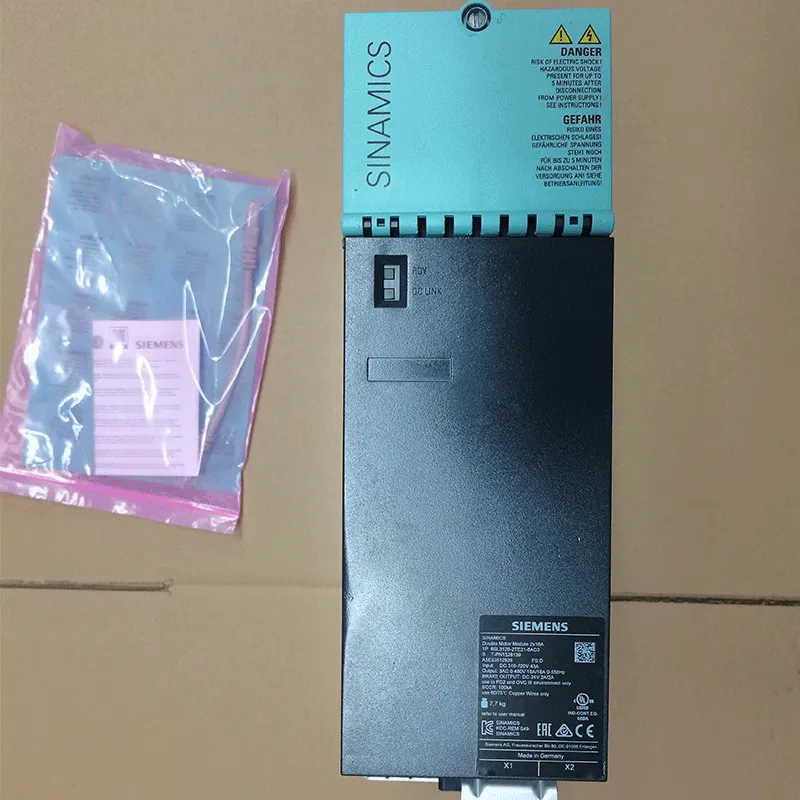
Understanding ROI in Automation Control Systems
Automation control systems deliver ROI through measurable efficiency gains and strategic operational improvements. Industrial leaders leverage ROI analysis to align capital expenditures with long-term value creation rather than short-term cost reduction alone.
Defining Return on Investment (ROI) in Automation Projects
ROI measures profitability by comparing net gains to implementation costs. A basic formula like (Net Profit · Investment Cost) × 100 provides a percentage return, though advanced models factor in depreciation and opportunity costs. For automation, ROI calculations must account for both initial hardware expenses and ongoing software updates.
The Role of Tangible and Intangible Benefits of Automation
Tangible benefits include 30–50% labor cost reductions and 25% faster production cycle times in assembly line implementations (Calvary Robotics 2024). Intangible gains—such as 99.8% defect-free output and real-time process visibility—enable faster decision-making. A 2024 manufacturing automation study found companies overlooking intangible benefits underestimate total ROI by 18–22%.
Use of ROI Calculation Formulas and Analytical Tools
Modern frameworks combine traditional ROI metrics with:
| Metric | Purpose |
|---|---|
| Net Present Value (NPV) | Accounts for inflation and time value |
| Payback Period | Identifies breakeven timelines |
| Total Cost of Ownership (TCO) | Includes maintenance and training |
Cloud-based dashboards now automate 83% of ROI tracking tasks, reducing manual data errors by 70% in multi-site deployments.
Key Metrics for Measuring ROI in Automation Control Systems
Measuring Efficiency, Productivity, and Cost Savings
Automation control systems demonstrate their value through quantifiable improvements in operational efficiency. Leading manufacturers report 18–22% productivity gains within the first year of implementation by automating repetitive workflows. A 2024 benchmark study revealed that businesses using automation analytics tools identify efficiency bottlenecks 30% faster than those relying on manual monitoring.
| Metric Category | Automation Impact | Measurement Frequency |
|---|---|---|
| Labor Cost Reduction | 15–40% decrease | Quarterly |
| Process Cycle Time | 50–70% acceleration | Real-time dashboards |
| Resource Utilization | 20–35% improvement | Monthly |
Time Savings and Error Reduction as Critical KPIs
Automation’s most immediate ROI appears in reduced human intervention:
- 58% faster resolution times for production line stoppages (Manufacturing Tech Report 2024)
- 72% fewer data entry errors in automated inventory systems
- 40 hours/month reclaimed per employee for strategic tasks
These improvements directly impact profitability—every 10% reduction in operational errors decreases corrective labor costs by $8,200 annually in mid-sized facilities.
Benchmarking and Tracking Automation Performance Over Time
Continuous ROI optimization requires establishing baseline metrics before implementation. Leading enterprises use:
- Process-specific KPIs aligned with ISO 22400 standards
- Customizable dashboard integrations with SCADA systems
- Quarterly comparative analysis against industry benchmarks
Organizations that update benchmarks biannually achieve 28% higher cumulative ROI over five years than those using static metrics, according to a recent manufacturing study.
Total Cost of Ownership (TCO) in Automation: A Strategic Lens
While upfront costs average $250,000–$1.2M for mid-scale deployments, TCO analysis reveals:
- 62% of automation expenses occur in years 2–5 (maintenance/upgrades)
- Modular systems reduce lifetime costs by 34% versus rigid architectures
- Energy-efficient controllers save $18,000/year in 24/7 operations
The standardized ROI formula (Net Benefits / Total Costs) × 100 remains vital, but incorporating TCO projections improves long-term investment accuracy by 41%, as shown in industry research.
Identifying High-Impact Areas for Automation Control Systems
Identifying processes with maximum ROI potential
Factories that focus on automating workflows where machines work alongside humans instead of taking over completely tend to see their return on investment come much quicker—around 34% faster according to recent studies. The best places to start usually include those boring repetitive jobs where mistakes happen regularly (we're talking at least 15% fewer errors possible) or situations needing constant watchfulness throughout the day and night. A look at data from the latest 2024 report shows something interesting: about two thirds of businesses that invested heavily in automated systems for moving materials around and checking product quality got their money back within just 18 months. These days there are smart software tools powered by artificial intelligence that actually figure out which processes will give the biggest bang for buck by looking at how long things take, what people cost to employ, and where defects commonly appear across different operations.
Integration of automation with existing systems
Seamless integration reduces implementation costs by up to 40% while preventing operational silos. Modern automation control systems employ open architecture and API-first design, enabling real-time data exchange with legacy ERP and MES platforms. A phased integration approach—starting with non-critical workflows—allows teams to resolve compatibility issues without disrupting production.
Customizing automation solutions for business needs
Around three out of four manufacturers see better returns on investment when they customize their automation control systems according to what their production needs actually are and what skills their workforce already has. With modular setups, companies can mix and match things like vision guided robots that handle those really precise operations alongside cobots which work well on assembly lines that need some flexibility. The scalability of PLC programming means businesses don't have to completely rip out their existing systems every time market demands change. Instead, they just tweak the automation logic as needed, saving them from expensive rewrites down the road.
Key implementation strategy: Pilot automation in one high-ROI process, validate results using AI-driven performance benchmarks, then scale horizontally to related workflows.
Strategic Implementation to Maximize ROI
Phased Rollout Strategies to Minimize Risk
Rather than jumping straight into full scale automation across the whole organization, companies should start with smaller pilot programs first. Begin with areas where mistakes don't cause major problems but still show clear improvements. Take data entry for instance, some studies from Ponemon back in 2023 found error rates dropped by around 42% when automation was introduced there. Starting small like this helps get everyone on board without breaking the bank upfront. Plus it gives time to tweak how things work before rolling out everywhere else. We've seen this happen in manufacturing too. When factories try out robotic process automation on their packaging lines, they typically see returns within 18 to 24 months before moving these solutions to other parts of the business.
Aligning Automation Initiatives With Business Goals
Automation investments fail when disconnected from operational KPIs. Prioritize projects that directly support strategic objectives, such as reducing production downtime or improving order fulfillment accuracy. Organizations aligning automation with quality control goals saw 31% higher ROI over three years compared to those focused solely on labor reduction.
Resource Allocation and Change Management in Deployment
Budget 15–20% of automation project costs for workforce training and system optimization. Underestimating change management leads to $740k average productivity losses from employee resistance (Ponemon 2023). Implement cross-functional teams to identify skill gaps early—only 12% of successful deployments rely solely on external consultants.
Avoiding Common Pitfalls: Overestimating Short-Term Gains in Automation ROI
Most automation control systems take somewhere between 8 to 18 months before they really settle down and start showing reliable results. Early users do see improvements around 22% in specific departments, but trying to apply those same gains everywhere just doesn't work because different parts of the business integrate differently. What makes more sense is setting smaller goals based on how mature the system becomes. For instance, wait until the system hits about 95% uptime first before even thinking about what kind of return on investment might come from running everything at full capacity.
Sustaining and Scaling Long-Term ROI with Automation Control Systems
While immediate ROI gains from automation control systems are compelling, enterprises achieve strategic value by aligning these investments with long-term operational agility. As markets shift and technologies evolve, businesses must balance short-term efficiency boosts with future-proof scalability.
Strategic ROI: Agility, Innovation, and Scalability
Automation control systems enable organizations to pivot quickly during supply chain disruptions or demand spikes by reprovisioning workflows in hours rather than weeks. Companies using predictive maintenance strategies reduce unplanned downtime by 45% annually, ensuring consistent production uptime even during workforce shortages.
Continuous Improvement and Adaptive Control Systems
Modern automation platforms embed machine learning to self-optimize energy usage and workflow patterns. One beverage manufacturer reported a 22% year-over-year productivity gain after implementing AI-driven process adjustments, demonstrating how adaptive systems compound ROI through iterative improvements.
Future-Proofing Investments with Modular Automation Design
Modular automation control architectures allow businesses to incrementally upgrade components like sensors or controllers without replacing entire systems. This approach reduces capital expenditures by up to 34% over five years compared to monolithic installations, while maintaining compatibility with emerging Industry 5.0 standards.
FAQ
What is ROI in the context of automation control systems?
ROI, or Return on Investment, in the context of automation control systems, is a measure of profitability that compares the net gains from automation to its implementation costs, including hardware expenses and software updates.
What are the tangible and intangible benefits of automation?
Tangible benefits include significant labor cost reductions and increased production cycle times. Intangible benefits include high defect-free output and improved decision-making through real-time process visibility.
How can businesses ensure a successful automation roll-out?
Successful automation roll-outs typically involve starting with small pilot programs, ensuring integration with business goals, and allocating resources for training and system optimization.
Why is Total Cost of Ownership (TCO) important in automation?
TCO is important as it includes all costs associated with automation, such as maintenance and upgrades, which helps provide a more accurate assessment of long-term investment.
What strategies increase the long-term ROI of automation systems?
Employing predictive maintenance, modular designs for easy upgrades, and continuous improvement using adaptive control systems all help in increasing the long-term ROI of automation systems.
Table of Contents
- Understanding ROI in Automation Control Systems
- Key Metrics for Measuring ROI in Automation Control Systems
- Identifying High-Impact Areas for Automation Control Systems
- Strategic Implementation to Maximize ROI
- Sustaining and Scaling Long-Term ROI with Automation Control Systems
-
FAQ
- What is ROI in the context of automation control systems?
- What are the tangible and intangible benefits of automation?
- How can businesses ensure a successful automation roll-out?
- Why is Total Cost of Ownership (TCO) important in automation?
- What strategies increase the long-term ROI of automation systems?