 EN
EN

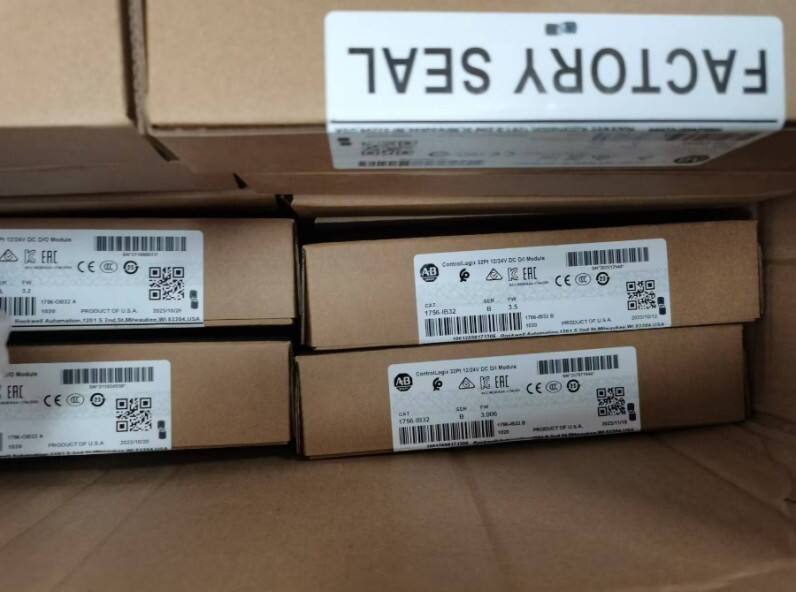
The Critical Role of PLC Modules in Equipment Stability
Real-Time Monitoring and Dynamic Adjustments for Stable Operations
Today's PLC modules keep tabs on all sorts of equipment metrics including vibrations, temps, and pressure readings every 10 milliseconds. The real value comes when these detailed observations trigger automatic changes in motor speed settings, valve positioning, and how actuators respond. Plants that implement this kind of proactive system can catch issues early before minor problems turn into full blown shutdowns. According to last year's Industrial Automation Report, facilities using adaptive control logic see around a 22% drop in unexpected production halts compared to older systems without such features. That kind of reliability makes a huge difference for operations managers trying to meet production targets.
Enhanced Process Control and Consistent Operational Performance
High-quality PLC modules eliminate the variability inherent in manual or relay-based systems through precision timing and closed-loop feedback. For example, bottling lines using advanced PLCs achieve 99.97% fill-level accuracy versus 94% in timer-reliant setups. This precision directly correlates with a 17% reduction in material waste across pharmaceutical and food processing sectors.
Data Logging and Fault Detection: Enabling Proactive Stability Management
| Capability | Legacy Systems | Modern PLC Modules |
|---|---|---|
| Fault Detection Speed | 2–8 hours | 15–90 seconds |
| Historical Data Storage | 30 days (limited tags) | 5+ years (unlimited tags) |
| Predictive Alerts | Basic threshold alarms | AI-driven anomaly scoring |
This diagnostic infrastructure allows maintenance teams to resolve 83% of stability risks during scheduled downtime windows rather than emergency repairs.
Key Components of PLC Systems That Ensure Long-Term Reliability
Core PLC Hardware and Its Resistance to Industrial Stress
PLC systems need solid hardware if they're going to last through tough industrial environments. We're talking about temps ranging from -20 degrees Celsius all the way up to 70 degrees, plus humidity levels hitting 90% in some cases, and those nasty vibrations that can go over 3 Gs. The good news is industrial strength CPUs come equipped with ECC memory which helps keep data intact when there are power issues. And don't forget about those conformal coated boards that stand up against dust buildup and chemicals getting into sensitive components. Looking at actual field data from 2023 across more than 850 manufacturing locations shows something interesting too. Plants that invested in these special vibration dampening racks for their PLC equipment saw around a 27% drop in unexpected maintenance needs compared to what happens with regular enclosures. That kind of reduction makes a real difference in downtime costs.
Input/Output (I/O) Modules: Bridging Sensors and Actuators for Seamless Stability
High-quality I/O modules maintain signal integrity across 300+ sensor types through optical isolation (5 kV isolation voltage) and transient voltage suppression. Recent benchmarks show modular I/O systems achieve 99.995% signal accuracy in EMI-heavy environments—compared to ~25% error rates in legacy systems.
| I/O Type | Signal Resolution | Update Speed | Isolation Level |
|---|---|---|---|
| Analog Input | 16-bit | 10 ms | 2.5 kV |
| Digital Output | 24V DC ±5% | 2 ms | 3.0 kV |
| Specialty (RTD) | 0.1°C | 500 ms | 1.5 kV |
Redundancy and Modular Design as Foundations of System Resilience
Modern PLC architectures use triple-redundant CPUs with <50 ms failover times and hot-swappable I/O modules that reduce replacement downtime by 89%. Modular backplanes supporting mixed I/O types enable phased upgrades, with facilities reporting 45% lower integration costs versus full-system overhauls.
Reducing Downtime with Predictive Maintenance Enabled by Quality PLC Modules
Modern PLC modules transform downtime management by enabling predictive maintenance strategies rooted in real-time data analysis. These systems leverage continuous diagnostics to monitor equipment health metrics like vibration patterns, thermal fluctuations, and cycle times, flagging deviations up to 72 hours before failures occur according to industry studies.
Continuous Diagnostics and Early Warning Capabilities of PLC Systems
Advanced PLC modules process sensor data at 10x the speed of legacy systems, detecting anomalies such as bearing wear or voltage inconsistencies. This early detection allows maintenance teams to resolve issues during planned shutdowns, avoiding production halts.
Predictive Maintenance Strategies Powered by PLC Data Analysis
By integrating machine learning models, PLC systems analyze historical performance to predict component degradation. For example, algorithms evaluating motor current trends reduced unplanned downtime by 34% in a 2025 automotive manufacturing trial.
Case Study: Achieving a 45% Reduction in Downtime After PLC Module Upgrades
A North American steel mill replaced outdated relay-based controls with modular PLCs, enabling granular monitoring of 1,200+ assets. Within 12 months, predictive alerts cut emergency repairs by 45%, saving an estimated $2.1M in annual downtime costs.
Legacy vs. Modern PLCs: Gaps in Diagnostic Speed and Predictive Accuracy
Aging PLC technology processes fault diagnostics 65% slower than modern equivalents, delaying response times. Additionally, legacy systems lack AI-driven pattern recognition, reducing predictive accuracy by up to 40% compared to current-generation modules.
Performance Gains: Quality PLC Modules vs. Outdated or Relay-Based Systems
Factories still running on old school PLC tech or those ancient relay systems tend to experience failures at a rate that's about 63% higher than what we see in plants with updated PLC equipment according to Ponemon's research from last year. The problem is these older systems just can't keep up with today's complex automation demands because they're not fast enough in processing information. What happens? Delays in response times and unexpected shutdowns that typically eat up around 14 hours every month. And let's not forget about the physical wear and tear issue either. Those legacy relay setups suffer from mechanical degradation over time. We've found through testing that the electro mechanical contacts in these old systems fail roughly three times quicker than their solid state counterparts in modern PLC components.
Failure Rates and Operational Inefficiencies Linked to Aging PLC Technology
Aging PLCs struggle with modern diagnostics, requiring 42% more troubleshooting time than modern controllers. Systems relying on relays experience frequent logic errors due to corroded contacts, resulting in production line stoppages costing plants $740k annually in lost productivity (Frost & Sullivan 2024).
Durability and Precision Advantages of Modern PLC Modules Over Traditional Relays
Modern PLCs eliminate moving parts, reducing failure risks from vibration or humidity. Their solid-state I/O modules execute commands in 5ms—15x faster than relay-based systems—enabling micron-level precision in robotics and conveyor control.
Total Cost of Ownership: Justifying Investment in High-Quality PLC Modules
While advanced PLC modules cost 20–30% more upfront, they deliver 34% lower TCO over five years by minimizing repair labor and production losses. A 2023 automotive assembly case study showed upgraded PLCs reduced electrical maintenance costs by 57% while increasing throughput by 19%.
Seamless Integration of Modern PLC Modules in Existing Industrial Systems
Ensuring Compatibility with Legacy Infrastructure to Reduce Integration Risks
Today's PLC modules help connect different tech eras so factories can boost their automation without tearing everything apart. According to recent industry data, around two thirds of all factory downtime comes down to problems when new parts don't work right with old machines (Automation Weekly reported this back in 2023). That's why most manufacturers stick with proven backward compatible protocols such as Modbus RTU or Ethernet/IP these days. These let newer PLC hardware talk to those ancient sensors and actuators still hanging around on shop floors. Take an assembly line from the 90s for instance. Companies have found that installing modular PLC systems instead of replacing the whole setup cuts integration expenses roughly 40 percent. Plus production keeps running smoothly during upgrades rather than grinding to a halt.
Modular PLC Architectures That Enhance Scalability and System Efficiency
Most top PLC manufacturers are shifting toward modular setups these days. Their systems typically feature separate processor modules, input/output units, and communication interfaces that can be swapped out as needed. The real advantage comes when businesses want to grow their automation over time. Take a textile factory for instance. They could begin with just a simple PLC managing how the looms work together, and later install vision systems to spot fabric flaws without having to completely overhaul what they already have in place. According to research covering about 1,200 factories that upgraded their systems, companies using this modular approach tend to save around 31 percent on expansion costs down the road (as reported in Global Automation Review last year). Plus, many of these modern PLCs come equipped with built-in diagnostic tools. These smart features actually warn maintenance staff about possible problems anywhere between 12 to 72 hours ahead of time, giving them precious extra time to fix issues before something breaks down entirely.
Frequently Asked Questions
What is a PLC module?
A PLC module, or Programmable Logic Controller, is an electronic device used in industrial settings to monitor and control various equipment and processes, coordinating them through data collection and programmable logic.
How do PLC modules help in reducing downtime?
PLC modules enable predictive maintenance by continuously analyzing equipment data and identifying potential failures up to 72 hours in advance, allowing maintenance teams to resolve issues during planned downtimes rather than in emergencies.
What are the benefits of modern PLC modules compared to older systems?
Modern PLC modules offer faster processing speeds, greater accuracy, AI-driven diagnostics and predictive maintenance capabilities, reduced downtime costs, and seamless integration with legacy systems.
Why are modular architectures preferred in PLC systems?
Modular architectures allow for scalability and efficiency, providing flexibility for phased upgrades and enabling businesses to expand their automation capabilities without major system overhauls.
How do upgrades to PLC systems impact operational costs?
Upgrading to modern PLC systems can lower operational costs by reducing downtime, minimizing repair labor, improving production throughput, and cutting integration expenses, resulting in a lower total cost of ownership.
Table of Contents
- The Critical Role of PLC Modules in Equipment Stability
- Key Components of PLC Systems That Ensure Long-Term Reliability
- Reducing Downtime with Predictive Maintenance Enabled by Quality PLC Modules
- Performance Gains: Quality PLC Modules vs. Outdated or Relay-Based Systems
- Seamless Integration of Modern PLC Modules in Existing Industrial Systems
- Frequently Asked Questions