 EN
EN

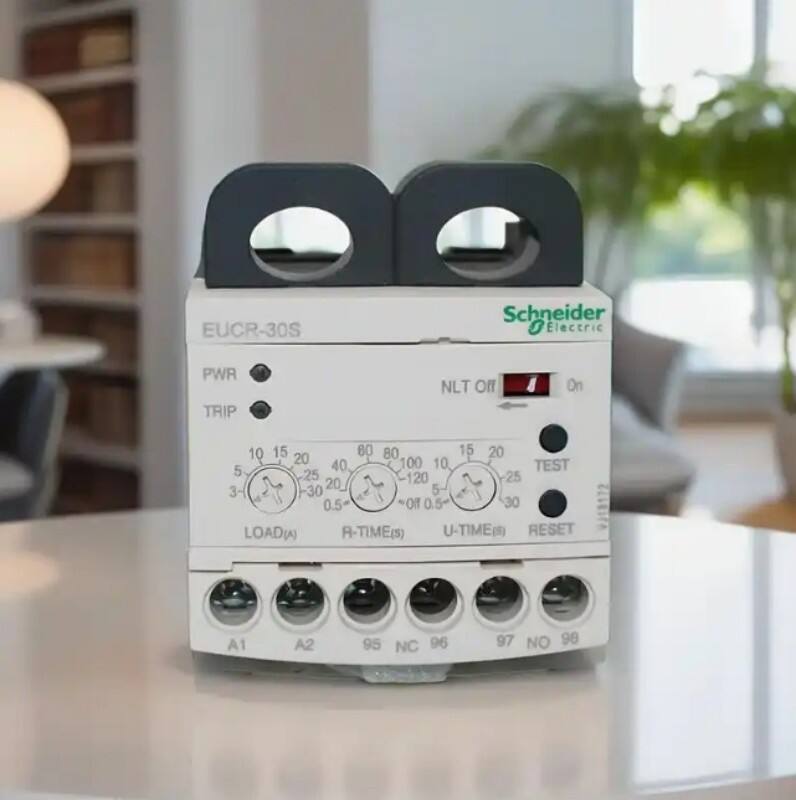
Defining Customized Automation Control Systems and Their Role in Modern Industry
Custom automation control systems are built specifically for particular needs in factories and plants. These differ from off-the-shelf automation products because they bring together special hardware components, custom software packages, and proprietary communication methods to solve real-world problems on shop floors. Think about streamlining work in sterile drug manufacturing areas or getting metal parts stamped with incredible accuracy down to fractions of a millimeter. According to research published by ARC Advisory Group last year, around two-thirds of companies that switched to made-to-order automation saw their production times drop by roughly a fifth when compared against standard equipment. This shows why so many businesses now see customized controls as essential for staying ahead in terms of both speed and product quality standards.
How Customized Automation Control Systems Differ from Off-the-Shelf Solutions
Three key differentiators set these systems apart:
- Process-Specific Architecture: Designed around exact material handling sequences or safety interlocks rather than generalized workflows
- Scalable Integration: Built with open protocols like OPC UA to interface with legacy equipment and future IIoT upgrades
- Performance Guarantees: Engineered to meet defined MTBF (Mean Time Between Failures) targets, often exceeding 100,000 hours in critical applications
This tailored approach explains why 74% of automotive manufacturers report 18% lower lifecycle costs with customized systems versus modifying generic PLCs (PWC Automation Survey 2024).
Key Industries Benefiting from Customized Automation Control Systems
| Industry | Customization Focus | Performance Impact |
|---|---|---|
| Pharmaceuticals | Sterility-compliant material tracking | 99.98% batch traceability |
| Energy | Grid-stability controls for renewable integrations | <50ms fault response |
| Food Production | Hygiene-optimized CIP (Clean-in-Place) cycles | 40% reduced sanitation downtime |
These examples underscore how domain-specific requirements drive the need for purpose-built automation architectures rather than adapting commercial platforms.
Core Technical Design Principles for Reliable System Performance
Modularity and Scalability in Customized Automation Control Systems Design
Today's custom automation control systems are built around modular designs because they let companies upgrade parts of their system without tearing everything apart. According to a recent industry report from 2023, factories that switched to these modular setups saved about 37 percent on upgrade expenses when compared to older monolithic systems. The real magic happens with standard interfaces that make it possible to grow vertically by adding input/output modules or scale horizontally by bringing in new production lines as needed. Food processors really benefit from this kind of flexibility since their demand can swing wildly throughout the year sometimes jumping as much as 300 percent during peak seasons. That means manufacturers can adjust their operations without wasting resources on unnecessary capacity.
Integration with Existing Infrastructure Using Open Communication Protocols
Getting old equipment to work smoothly with newer systems needs open protocols such as OPC UA and MQTT. These protocols keep things compatible with most industrial devices out there, around 94% according to those IEC standards folks. What makes them so good is they cut down on those expensive proprietary gateways while letting data flow back and forth in real time between brand new PLCs and sensors that are literally decades old. Take one big car company for instance. They switched entirely to these protocols recently and saw amazing results. Their machines from different production periods now talk to each other at nearly perfect levels, clocking in at 99.8% interoperability across twelve distinct generations of manufacturing equipment.
Ensuring Real-Time Performance and Deterministic Response Times
For high-speed operations, getting those cycle times down below 1 millisecond is pretty much essential, especially in industries such as glass making where temperature control needs to stay within just half a degree Celsius either way. Networks built on deterministic principles along with Time Sensitive Networking or TSN protocols can cut down on timing variations to less than one microsecond. This makes it possible for over two hundred different robotic arms to work together perfectly in sync. Real-world testing has demonstrated that these network setups keep packet losses at an incredibly low rate of less than 0.001 percent, even when dealing with massive amounts of data coming through at speeds reaching 50 gigabits per second from advanced vision systems.
Human-Machine Interface (HMI) Considerations for Operator Efficiency
Good HMI design cuts down how long operators take to make decisions by around 40% when they use visual displays that match what's happening on the floor. The newer systems have smart dashboards that highlight alarms first when things go wrong, touch controls that work even with thick gloves on, and AR features that point out broken parts in about 15 seconds flat. Some recent field tests showed factories switching to these advanced interfaces saw their repair times drop nearly 60% over old school SCADA setups. Plants are starting to realize these improvements aren't just nice to have but actually save money and prevent downtime across the board.
Critical Hardware and Software Components in Development
Selecting Appropriate Controllers: PLCs, PACs, or Embedded Systems for Customized Automation Control Systems
When building custom automation control systems, picking the right controller is absolutely critical since everything depends on what the operation actually needs. Take PLCs for instance these programmable logic controllers are great at handling those repeat jobs we see on assembly lines. The automotive industry has adopted them pretty widely too about 67% according to recent data. Then there are PACs which combine both logical decisions and physical movement control making them ideal for more complicated production setups. For smaller scale operations or IoT connected gadgets, embedded systems running on RISC-V or ARM chips provide compact yet powerful alternatives. According to research published by ISA last year, matching controllers specifically to their intended applications can cut down integration expenses by around 23%, which makes sense when looking at how much time and money gets wasted otherwise.
Sensor and Actuator Compatibility Within Customized Automation Control Systems
Mismatched sensors and actuators create latency spikes up to 15ms in pneumatic systems. Smart sensors with IO-Link interfaces auto-calibrate for pressure and temperature variances, improving precision in pharma batch processes. For example, strain gauges in food packaging lines achieve ±0.5g accuracy when paired with servo actuators.
Network Topology and Cybersecurity Measures in Customized Automation Control Systems
Redundant ring topologies with <5ms failover times prevent $740k/hr downtime in semiconductor fabs. Encrypted OPC UA tunnels and role-based access control (RBAC) align with IEC 62443-3-3 standards. A 2024 Industrial Cybersecurity Report notes VLAN-segmented networks block 89% of lateral intrusion attempts.
Data Acquisition, Logging, and Edge Computing Integration
Edge gateways process 82% of machine data locally in smart warehouses, reducing cloud costs by 40%. Time-Series Databases (TSDBs) like InfluxDB capture 50,000 data points/sec from CNC machines, enabling predictive maintenance models with 92% anomaly detection accuracy.
Aligning Customized Automation Control Systems with Business Goals
Matching System Capabilities to Production Goals and KPIs
When built specifically for particular operations, customized automation control systems really shine in terms of value creation. According to a recent study on automation alignment from 2023, around two-thirds of manufacturers saw their throughput jump by roughly 22 percent after aligning system response times with actual production line speeds compared to those stuck with generic solutions. What works best? Matching cycle time tolerances with robotic arm capabilities or adding vision systems at key quality inspection points cuts down scrap rates anywhere between 18 to 34 percent according to Automation World's report last year. These real-world results highlight why so many companies are moving away from one size fits all approaches nowadays.
Total Cost of Ownership Analysis for Customized Automation Control Systems
While upfront engineering costs average 25–40% higher than standard systems, lifecycle savings justify the investment. Strategic component selection reduces energy consumption by 19% annually in high-utilization environments, and predictive maintenance integrations cut unplanned downtime costs by $380 per hour (Ponemon Institute, 2023). Facilities should model:
| Factor | Impact Period | Cost Range |
|---|---|---|
| Software licensing | Years 1-5 | $12k – $85k |
| Hardware upgrades | Years 3-7 | $28k – $210k |
| Compliance audits | Annual | $7k – $45k |
ROI Evaluation Through Case Studies of Successful Implementations
One packaging facility implemented custom automation controls paired with artificial intelligence for predicting demand, and saw their investment pay off in just over a year. When they started matching equipment changes to what happens seasonally in terms of demand, something interesting happened. They cut down on wasted materials by about a third without dropping below their impressive 99.2 percent success rate for filling orders. Looking at bigger picture numbers makes sense too. According to McKinsey's research from 2022, around six out of ten companies who personalize their automated systems get their money back within eighteen months once they start using live production data throughout operations.
Ensuring Compliance, Safety, and Future-Readiness
Adhering to IEC 61508, ISO 13849, and other functional safety standards
Following functional safety standards is essential for building dependable custom automation control systems. Standards like IEC 61508 and ISO 13849 require companies to conduct thorough risk assessments, assign appropriate safety integrity levels (SIL), and implement fault tolerance measures that stop major accidents from happening in factories and plants. According to recent reports from top certification organizations, facilities that follow these standards see around 37% fewer safety problems compared to those without proper certification. The real value comes from how these guidelines push manufacturers to test their hardware reliability, check software for faults regularly, and build systems with backup components so operations can continue even when something goes wrong.
Designing fail-safes and redundancy into customized automation control systems
Today's industrial systems often feature triple modular redundancy or TMR setups along with hot-swappable input/output modules so they can keep running even when parts fail. Places that deal with dangerous substances usually have electrical isolation barriers, emergency power shutoff mechanisms, and automatic shutdown protocols built right into their design. The concept of redundancy goes well beyond just extra hardware too. Most control systems run on paired PLCs that stay in sync, switching over within about 200 milliseconds if one fails. Industrial network infrastructures typically include redundant fiber optic rings as backup paths for data transmission, making sure critical communications don't get cut off during unexpected events.
Preparing for Industry 4.0: Cloud connectivity, digital twins, and AI-driven predictive maintenance
Modern industrial setups are increasingly adopting OPC UA gateways as a way to send secure process data streams directly to cloud storage solutions. These connections allow for real-time digital twin simulations which have been shown to boost maintenance scheduling accuracy significantly. According to Ponemon Institute research from last year, such improvements can reach around 55% better prediction rates. The top Computerized Maintenance Management Systems (CMMS) available today come equipped with built-in machine learning capabilities. These smart systems look at things like equipment vibrations, heat distribution patterns across machinery surfaces, and even oil condition indicators to spot potential bearing problems well ahead of time. Most manufacturers find out about failing bearings only when they completely break down, but these predictive models can catch issues two to three weeks earlier than traditional methods would detect them. Making all this work properly means moving away from older communication standards like Modbus RTU towards newer Time Sensitive Networking (TSN) specifications. This transition ensures that critical industrial internet of things data gets transmitted reliably and on schedule throughout factory networks.
Balancing innovation with system stability in long-term operations
Companies tackle technical debt by implementing updates in stages rather than all at once. The approach usually keeps the main control system stable while gradually bringing edge computing components and analysis tools up to date. Testing compatibility with older equipment is still super important though. Most plant managers run separate testing setups where they check out new firmware releases against decades worth of input/output configurations from existing sensors and actuators. Some facilities have been running these parallel tests for over ten years now as they work their way through the upgrade process without disrupting operations completely.
Frequently Asked Questions (FAQ)
What are customized automation control systems?
Customized automation control systems are specifically built for the particular needs of factories and plants, using specialized hardware, software, and communication methods.
How do customized systems differ from off-the-shelf solutions?
Customized systems feature process-specific architecture, scalable integration, and performance guarantees, setting them apart from generic solutions.
Which industries benefit most from customized automation control systems?
Industries such as pharmaceuticals, energy, and food production benefit greatly from customized automation solutions.
Why is modular design crucial in automation control systems?
Modular design allows companies to upgrade parts of their system without major disruptions, offering flexibility and cost savings.
How can open communication protocols aid integration?
Protocols like OPC UA and MQTT ensure compatibility between old and new systems, enabling seamless data flow on shop floors.
Table of Contents
- Defining Customized Automation Control Systems and Their Role in Modern Industry
- How Customized Automation Control Systems Differ from Off-the-Shelf Solutions
- Key Industries Benefiting from Customized Automation Control Systems
- Core Technical Design Principles for Reliable System Performance
-
Critical Hardware and Software Components in Development
- Selecting Appropriate Controllers: PLCs, PACs, or Embedded Systems for Customized Automation Control Systems
- Sensor and Actuator Compatibility Within Customized Automation Control Systems
- Network Topology and Cybersecurity Measures in Customized Automation Control Systems
- Data Acquisition, Logging, and Edge Computing Integration
- Aligning Customized Automation Control Systems with Business Goals
-
Ensuring Compliance, Safety, and Future-Readiness
- Adhering to IEC 61508, ISO 13849, and other functional safety standards
- Designing fail-safes and redundancy into customized automation control systems
- Preparing for Industry 4.0: Cloud connectivity, digital twins, and AI-driven predictive maintenance
- Balancing innovation with system stability in long-term operations
- Frequently Asked Questions (FAQ)
- What are customized automation control systems?
- How do customized systems differ from off-the-shelf solutions?
- Which industries benefit most from customized automation control systems?
- Why is modular design crucial in automation control systems?
- How can open communication protocols aid integration?