 EN
EN

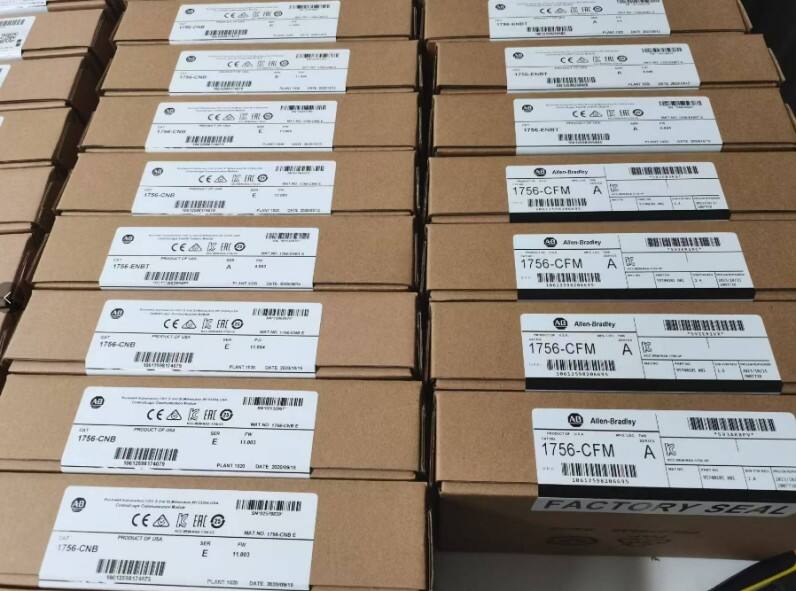
Assessing Industrial Application Requirements for Automation Control Equipment
Selecting proper automation control equipment begins with clearly defined operational objectives. A 2023 automation survey revealed that 73% of failed implementations stemmed from misaligned goals, underscoring the importance of quantifying targets such as production throughput, error margins (ideally below 0.5%), and energy efficiency gains upfront.
Understanding Operational Goals in Industrial Automation
Prioritize measurable outcomes, such as reducing cycle times by 15–20% or achieving Six Sigma quality standards. For example, food processing plants often emphasize contamination prevention, requiring automation equipment with IP69K-rated dust and water resistance to ensure hygiene compliance.
Evaluating Production Scale and Process Complexity
Automotive assembly lines running at full tilt need PLCs that can manage over 500 input/output operations each second just to keep up with production demands. For smaller scale chemical processing plants though, flexibility matters more than raw speed, which is why many turn to distributed control systems (DCS) instead. When looking at workflow requirements, there are several factors worth considering. Parallel operations must be accounted for, how often the system checks for errors becomes important, and data collection intervals vary widely depending on the application. Some fast-moving production lines might need readings every 50 milliseconds while batch processes in other industries could get away with checking once an hour without missing anything critical.
Matching Automation Control Equipment to Task Criticality
Safety-critical applications, such as nuclear plant cooling systems, require SIL-3 certified controllers with triple redundancy for fail-safe operation. Less critical operations, like packaging lines, can use standard PLCs offering 99.95% uptime, balancing reliability, risk tolerance, and budget constraints effectively.
Environmental and Operational Conditions Affecting Controller Selection
Controllers must operate reliably under harsh conditions:
- Extreme temperatures (-40°C to 70°C)
- Vibration exceeding 5Grms in mining and heavy machinery
- Chemical exposure, mitigated with NEMA 4X enclosures in petrochemical settings
- Electromagnetic interference near large motors or transformers
Additionally, data centers managing automation networks increasingly specify equipment with <1W standby power to comply with ISO 50001 energy management standards.
Core Components and Integration in Industrial Automation & Control Systems
Key Types of Automation Control Equipment: PLC, DCS, PAC, and IPC
### Programmable Logic Controller (PLC): Robustness for Discrete Manufacturing PLCs remain the backbone of discrete manufacturing due to their durability and real-time performance in repetitive tasks like assembly and packaging. Designed to withstand electrical noise and extreme temperatures (0–55°C), they are widely used across automotive and consumer goods industries. According to a 2023 automation survey, 78% of manufacturers rely on PLCs for basic logic control because of their reliability and ease of maintenance. ### Distributed Control Systems (DCS): Scalability in Continuous Processes DCS platforms dominate continuous-process industries such as oil refining and chemical production, where seamless coordination across multiple subsystems is essential. Using networked controllers, DCS manages analog signals and complex feedback loops efficiently. Its modular design allows plants to expand capacity by 40–60% without overhauling existing infrastructure—a capability validated in recent energy sector deployments. ### Programmable Automation Controllers (PAC): Bridging PLC and IPC Capabilities PACs combine the ruggedness of PLCs with advanced computing features, including up to 32GB of memory and multi-protocol support (Ethernet/IP, PROFINET, Modbus TCP). This makes them ideal for hybrid applications in food processing and pharmaceuticals, where process control integrates with extensive data logging. Leading vendors report 35% faster integration times compared to combining traditional PLCs with industrial PCs. ### Industrial PC (IPC): High-Speed Computing for Complex Automation Tasks IPCs provide server-grade processing (up to 8-core CPUs) for demanding applications like machine vision and predictive analytics. While less rugged than PLCs, their compatibility with Windows and Linux enables deployment of advanced software tools. One semiconductor manufacturer achieved 92% defect detection accuracy using an IPC-based quality inspection system. ### Comparative Analysis: When to Use PLC vs. DCS vs. PAC | Feature | PLC | DCS | PAC | IPC | |-----------------------|----------------------|-----------------------|-----------------------|-----------------------| | **Best For** | Discrete manufacturing | Continuous processes | Hybrid applications | Data-intensive tasks | | **I/O Capacity** | 300 modules | 500+ modules | 500 modules | Varies with expansion | | **Programming** | Ladder logic | Function block diagrams | Multiple languages | High-level languages | | **Response Time** | 1–10 ms | 50–100 ms | 10–50 ms | 5–20 ms | As emphasized in the controller selection guide, aligning equipment with application requirements prevents 63% of automation project cost overruns. Many facilities adopt a hybrid approach—using PLCs for local equipment control and DCS for enterprise-wide optimization—while PACs increasingly replace legacy PLCs in mid-complexity IIoT environments.Supervisory control and data acquisition (SCADA) for real-time monitoring
SCADA systems act like the brain for modern automation setups, collecting info from thousands of input/output points across big facilities without slowing down much - usually keeping response times below 25 milliseconds according to ARC Advisory from 2023. These systems let operators see important stuff on one screen, like how much energy things are using and whether machines are running properly. This visibility makes a real difference too; factories that use SCADA report cutting down on production errors by around 42%, per Deloitte's study last year. Pair them with PLCs and HMIs and they get even better at reacting fast. For example, if there's a sudden drop in pipeline pressure somewhere, the system can kick in and redirect materials before anyone even notices something's wrong.
Human-machine interface (HMI) enhancing operator interaction
Modern HMIs have evolved into intelligent dashboards powered by predictive analytics. Plants using AI-enhanced interfaces resolved incidents 31% faster through color-coded alarm prioritization (Ernst & Young 2023). Touch-enabled, mobile-responsive designs now allow supervisors to approve batch recipes remotely via tablet, all while adhering to OPC UA security protocols.
Input/output (I/O) requirements in automation systems
Careful planning of I/O configurations is crucial, especially in high-speed environments:
- Analog I/O modules: Require 16-bit resolution for precise temperature control (±0.5°C)
- Digital I/O cards: Must respond within <5µs for emergency stop circuits
- Specialized communication ports: PROFINET IRT ensures synchronization in motion control applications
Automotive manufacturers report 99.998% signal integrity using reinforced M12 connectors in high-vibration settings (Industrial Connectivity Report 2023).
Integration with existing systems and communication protocols
Getting different systems to work together properly often depends on protocol gateways that connect old-school Modbus RTU equipment with newer OPC UA standards while keeping all the data intact. A recent Control Engineering poll from last year found that around two-thirds of manufacturing facilities are turning to API-based connections these days to tie their automation setups into ERP systems. This allows warehouses to update stock levels instantly as machines actually produce goods rather than waiting for manual input. The approach saves money too. Companies adopting this layering method typically cut down on integration expenses by almost 60 percent instead of going through the hassle and expense of completely replacing entire systems, according to research published by McKinsey's Industrial Technology division back in 2022.
Industry 4.0 Trends and IIoT-Driven Advancements in Automation Control Equipment
Impact of Industry 4.0 on Automation Control Equipment Design
The fourth industrial revolution changed how we think about controller design, adding smart features that let machines make decisions on their own. Systems using predictive maintenance with machine learning algorithms have cut unexpected downtime by around 42% in connected factories, as reported by MAPI last year. Today's control systems are built with modular designs so companies can upgrade parts without replacing everything at once, whether it's improving edge computing power or beefing up security against cyber threats. Take industrial automation for example - when manufacturers combine IoT sensors with artificial intelligence, they find problems 18% quicker compared to old fashioned methods. A recent report from Automation World in 2024 backs this up, showing real improvements across multiple industries.
Smart Sensors and Edge Computing in Modern IACS
The number of smart sensors being used has gone up around 67% since 2020 according to ARC Advisory Group's 2024 report. The main reason behind this growth? Embedded diagnostics that handle vibration, temperature readings, and pressure measurements right at the source instead of sending everything back to central servers. When these sensors process data locally, factories see faster responses too about a 25% improvement in places where timing matters most, such as pharmaceutical manufacturing plants where even small delays can affect product quality. Edge computing isn't just good for speed either. It cuts down on wait time to less than 5 milliseconds for those fast-moving packaging lines, while saving companies approximately $3,800 each year on bandwidth expenses for every production cell they operate.
IIoT Connectivity and Smart Device Integration
IIoT enables 92% of industrial devices to self-report health metrics, allowing automation systems to adjust parameters like motor torque or conveyor speed based on real-time ERP demand forecasts. With 5G, controllers can manage up to 20,000 connected endpoints per square kilometer, enabling seamless integration from shop-floor sensors to enterprise planning systems.
System-Wide Optimization Through Predictive Analytics
Predictive analytics take advantage of past records and real-time information to cut down on energy consumption, plan better maintenance, and boost overall equipment effectiveness or what we call OEE in the industry. Plants that have implemented this technology report around 30% drop in urgent repair situations and typically notice their OEE numbers go up by as much as 15 percent according to recent industry reports from PAC in 2023. Take automotive paint shops for instance where smart algorithms link how well HVAC systems work with outside humidity levels. These setups keep temperatures stable within half a degree Celsius year-round and save plant operators about $120k every year just on electricity bills alone.
Maximizing Long-Term ROI in Automation Control Equipment Selection
Total Cost of Ownership and Scalability Considerations
Looking at total cost of ownership instead of just upfront costs gives companies about 23% better return on investment after five years when factoring in things like energy consumption, regular maintenance requirements, and how well the system can scale up as needed according to Deloitte's research from last year. The modular nature of these systems means businesses can upgrade piece by piece rather than replacing everything at once, cutting down initial expenses somewhere between 20% to maybe even 30%. This makes a big difference for sectors where production levels fluctuate quite a bit, such as meat-packing plants during holiday seasons or car factories adjusting output based on market trends.
Future-Proofing Through Modular and Open-Architecture Systems
Open-architecture PLCs and IPCs using standardized protocols (OPC UA, MQTT) extend equipment lifespan by 40%, facilitating smooth adoption of new IIoT devices and AI-driven tools. Manufacturers using vendor-agnostic platforms cut annual upgrade costs by $18k per production line (Automation World 2024), avoiding vendor lock-in and costly rip-and-replace cycles.
Vendor Support, Cybersecurity, and Compliance With Industrial Standards
Reliable vendor partnerships offering 24/7 technical support and firmware updates help prevent unplanned downtime, which averages $260k/hour in industrial settings (Ponemon Institute 2023). Prioritizing cybersecurity certifications such as IEC 62443-3-3 is critical—non-compliant systems account for 62% of successful industrial cyberattacks.
Balancing Legacy System Integration With Digital Transformation
Going for a step-by-step modernization plan that keeps working legacy systems running alongside OPC UA gateways actually gives companies around 18% better return on investment compared to completely replacing everything according to McKinsey's research from last year. The beauty of this method is it allows staff time to learn new skills gradually without having to throw away money spent on those older DCS and SCADA setups that still work just fine. Factory operators who implement edge controllers between the old equipment and newer tech have found they see their investment pay off about 31% quicker when managing mixed manufacturing environments. Makes sense really since nobody wants to lose all that existing infrastructure overnight.
FAQ
What are the primary types of automation control equipment?
The primary types of automation control equipment are Programmable Logic Controllers (PLC), Distributed Control Systems (DCS), Programmable Automation Controllers (PAC), and Industrial PCs (IPC).
Why is it important to align automation control equipment with application requirements?
Aligning equipment with application requirements prevents automation project cost overruns by ensuring the selected equipment meets operational needs effectively.
What role does SCADA play in industrial automation?
SCADA systems provide real-time monitoring of industrial operations, allowing for efficient management of processes, reducing production errors, and improving response times.
How do smart sensors and edge computing benefit industrial automation systems?
Smart sensors and edge computing enhance the speed and efficiency of data processing by performing diagnostics and data analysis locally, reducing response times, and lowering bandwidth costs.
What factors should be considered for maximizing ROI in automation control equipment?
Maximizing ROI involves considering the total cost of ownership, scalability, vendor support, cybersecurity, and the integration of legacy systems with new technologies.
Table of Contents
- Assessing Industrial Application Requirements for Automation Control Equipment
-
Core Components and Integration in Industrial Automation & Control Systems
- Key Types of Automation Control Equipment: PLC, DCS, PAC, and IPC
- Supervisory control and data acquisition (SCADA) for real-time monitoring
- Human-machine interface (HMI) enhancing operator interaction
- Input/output (I/O) requirements in automation systems
- Integration with existing systems and communication protocols
- Industry 4.0 Trends and IIoT-Driven Advancements in Automation Control Equipment
- Maximizing Long-Term ROI in Automation Control Equipment Selection
-
FAQ
- What are the primary types of automation control equipment?
- Why is it important to align automation control equipment with application requirements?
- What role does SCADA play in industrial automation?
- How do smart sensors and edge computing benefit industrial automation systems?
- What factors should be considered for maximizing ROI in automation control equipment?