 EN
EN

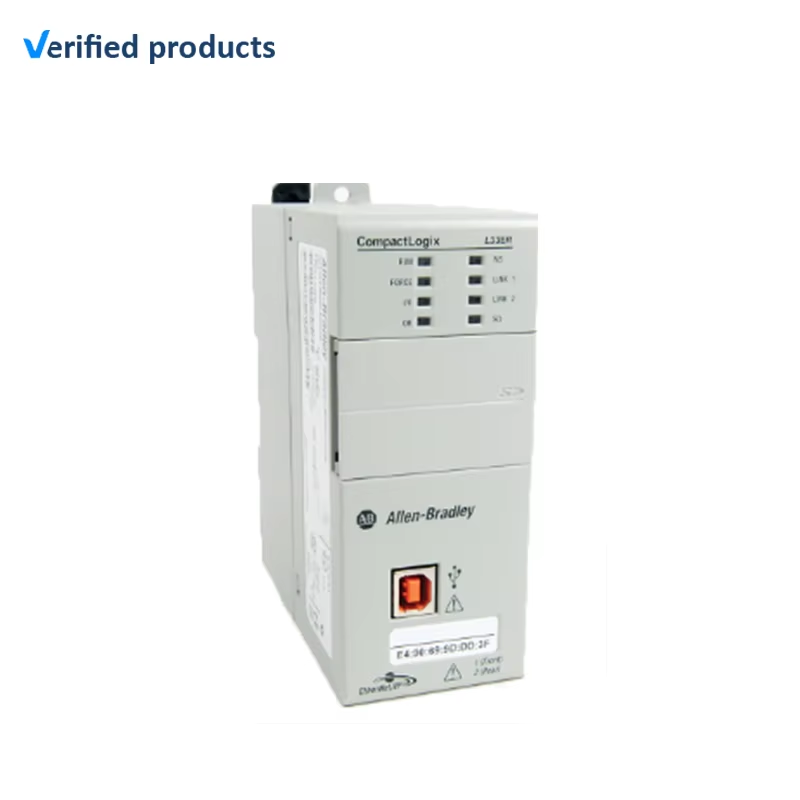
Understanding the Automation Production Line in Industry 4.0
The evolution of automation production line in smart manufacturing
Automation on production lines has come a long way since those old mechanical setups back in the early 1900s. Today's factories run on what some call Industry 4.0 tech, creating smart systems that actually talk to each other. These modern setups combine robots, internet-connected sensors, and even basic forms of artificial intelligence to make the whole process smarter. Take Manufacturing Execution Systems for example. They constantly monitor what's happening on the floor and can tweak production schedules as needed. This kind of thing was totally impossible before digital technology took over assembly lines. The difference is night and day compared to how things used to work, showing just how far we've moved towards making manufacturing adaptable rather than rigid.
Core principles driving automation adoption in modern factories
What's really pushing companies toward automation these days? Three main factors stand out precision consistency, being able to scale operations easily, and getting smart insights from data. When we look at actual numbers, automated systems cut down on mistakes made by people by around 70 something percent, which means products come out consistently good even when they're making thousands each day. Factories now have modular robots that can be moved around as needed, plus edge computing tech that lets them react instantly to changes on the production floor. Take car makers for instance many plants saw their assembly line speeds jump anywhere from 30 to almost 50 percent once they started using AI powered automation solutions. These improvements aren't just about speed either they translate directly into better bottom lines too.
Global trends: The shift toward connected and automated production systems
Smart factories are expected to hit around $244 billion worldwide by 2027 according to MarketsandMarkets research from last year, mainly because companies want everything digital from start to finish. About two thirds of manufacturers have started using those internet connected gadgets to save on energy costs and keep an eye on product quality. That number has tripled compared to what we saw back in 2019. The benefits go far beyond just one factory floor too. Cloud based manufacturing execution systems are connecting supply chains all over the world these days, making it possible for factories thousands of miles apart to share information without any real hiccups in the process.
Case study: Transforming a traditional plant into a smart factory with automation production line
A metal fabrication shop in Ohio saw their productivity jump by almost 40% after upgrading old equipment with smart IoT sensors and adding some collaborative robots to the mix. The plant implemented these real time optimization systems where basic sensor readings get connected directly to their main analytics platform. As a result, they cut down unexpected stoppages at the factory by nearly 60%, while keeping track of orders with impressive accuracy rates around 99.6%. What makes this case interesting is how it fits right into what we call the Industry 4.0 framework for manufacturing automation. And here's something worth noting: smaller manufacturers don't need huge budgets to make similar improvements. Many mid-sized shops across the country are finding ways to integrate smart technologies without breaking the bank.
Maximizing Production Efficiency Through Automation Production Line
Enabling 24/7 Continuous Manufacturing with Automated Systems
Automation eliminates human shift constraints, allowing factories to operate continuously with minimal supervision. Advanced robotics maintain consistent output around the clock, reducing idle time that costs manufacturers $740k hourly in lost productivity (Ponemon 2023). This nonstop operation significantly improves asset utilization and throughput capacity.
Real-Time Process Optimization and Cycle Time Reduction
Machine learning algorithms analyze sensor data to dynamically adjust equipment speeds and material flows. In food packaging systems, this approach reduces cycle times by 12–18% while simultaneously cutting energy waste, based on operational data from connected factories. These optimizations occur in real time, ensuring peak performance without manual intervention.
Data Insight: 30–50% Increase in Output in Automotive Automation Production Lines
Automotive manufacturers report an average throughput gain of 34% after deploying AI-driven production lines. Adaptive welding robots and autonomous guided vehicles (AGVs) reduced rework rates by 19% in a European plant's 2024 upgrade, demonstrating how integrated automation enhances both speed and quality.
Strategy: Scaling Throughput with Modular and Flexible Automation Design
Forward-thinking manufacturers combine standardized robotic workcells with plug-and-play IoT modules. This modular design enables rapid reconfiguration for new product variants, reducing line changeover time from 72 hours to under 8 hours in aerospace applications. Flexibility at scale allows factories to respond quickly to market demands without sacrificing efficiency.
Enhancing Product Quality and Consistency with Automation
Reducing Human Error in Precision Manufacturing Through Automation Production Line
When it comes to reducing inconsistencies from hand done work, automation really shines, delivering super accurate results down to the micrometer level for things like putting together components or moving materials around. Take the aerospace industry and medical device makers as good examples where machines spot problems way quicker than people ever could. According to some research from Ponemon back in 2023, these systems catch errors about three times faster than what humans manage. And look at robotic welding arms specifically they stick pretty close to their targets, keeping everything within just plus or minus 0.01 millimeters. That's actually ten times better precision compared to when someone does it manually which usually allows for around 0.1 mm difference either way.
Advanced Quality Control Using Computer Vision and Real-Time Analytics
AI-powered vision systems analyze over 50 product attributes per second, detecting defects invisible to the human eye. These systems cross-reference real-time production data with quality benchmarks and automatically adjust parameters like temperature or pressure mid-process, ensuring continuous compliance.
| Metric | Manual Inspection | Automated System |
|---|---|---|
| Defects Detected/Hr | 120 | 950 |
| False Positives | 15% | 2.3% |
| Adjustment Response | 8-12 mins | 0.8 secs |
Case Study: 60% Reduction in Defect Rates After Automation Implementation
A consumer electronics manufacturer reduced assembly errors from 12% to 4.8% within six months of deploying automated optical inspection (AOI) systems. The AI-driven solution cut rework costs by $740k annually and improved first-pass yield rates by 22%, delivering measurable quality and financial benefits.
Strategy: Standardizing Output With Intelligent Process Monitoring
Centralized dashboards track more than 150 quality metrics across production stages. Machine learning models predict deviations before they occur, while closed-loop systems automatically recalibrate equipment when sensor data exceeds thresholds. This approach maintains ±0.5% output consistency during continuous 24/7 operations, ensuring long-term quality stability.
Optimizing Operational Efficiency and Minimizing Downtime
Predictive Maintenance Powered by IoT in Connected Factories
IoT sensors embedded in automation production lines monitor vibration, temperature, and energy consumption to predict equipment failures. With 98.6% prediction accuracy (Nature 2025), this shift from reactive to predictive maintenance reduces maintenance costs by 25–40% and extends machinery lifespan. Early warnings prevent unplanned outages and costly repairs.
Real-Time Monitoring and AI-Driven Insights for Uptime Maximization
AI-powered dashboards process terabytes of operational data to identify bottlenecks in under 25 seconds, optimize energy use by 18–22%, and trigger automatic adjustments to sustain peak efficiency. Plants using these systems achieve 93.4% overall equipment effectiveness (OEE), outperforming traditional setups by 34 percentage points in 2025 industry benchmarks.
Case Study: 40% Reduction in Unplanned Downtime Using Smart Sensors
A European automotive parts manufacturer deployed wireless vibration sensors across its automation line. Machine learning models analyzed the data to detect early signs of wear, resulting in:
| Metric | Before Automation | After Automation |
|---|---|---|
| Monthly Downtime | 14.7 hours | 8.8 hours |
| Defect Rate | 2.1% | 0.9% |
| Maintenance Costs | $42k/month | $27k/month |
The system prevented 12 catastrophic failures in its first year, saving $1.2 million in potential repair costs.
Strategy: Building Self-Optimizing Production Lines with AI Feedback Loops
Leading manufacturers embed AI controllers that autonomously adjust operations based on real-time feedback. These systems:
- Modify robotic cycle times according to material hardness
- Rebalance workloads during component failures
- Update maintenance schedules using wear analytics
This closed-loop architecture enables production lines to improve efficiency by 1.2–1.8% monthly without human intervention, creating truly self-optimizing environments.
Future Trends: Collaborative Robots and Autonomous Automation Production Lines
The rise of cobots in flexible and hybrid manufacturing environments
Cobots, those collaborative robots working alongside humans, are changing how factories operate today. Industry experts estimate these machines could see about 20% growth each year between now and 2028. Why? Because they fit right into settings where products vary or orders come in customized. Most modern cobots come with special gripping tools that adjust on the fly, wheels for moving around workspaces, and programming interfaces so simple even non-engineers can teach them new tasks just by dragging virtual icons across screens. This means production lines can be rearranged quickly when business needs shift, saving time and money compared to traditional automation setups that require months of planning.
Next-generation robotics and AI-driven adaptive production systems
New developments in machine vision combined with edge computing have given robots the ability to adjust themselves when dealing with different materials or unexpected issues during production. Modern robotic systems come equipped with several sensors that check quality, can predict how much force to apply when handling fragile parts, and use artificial intelligence to figure out the best routes for movement. The electronics manufacturing and car industry are already seeing results from this tech. Some factories report cutting down on setup time between production runs by anywhere from 35% to almost half, based on what manufacturers saw in their operations last year.
Emerging trend: Autonomous decision-making in automation production line
AI agents are now being deployed to analyze historical and real-time data for autonomous optimization of speed, temperature, and material flow. A 2025 smart factory study found these systems achieve 92% decision accuracy, reducing manual oversight by 60% in complex assembly processes. This marks a pivotal step toward fully autonomous production environments.
Strategy: Preparing for fully autonomous, self-optimizing smart factories
To prepare for the next generation of automation, manufacturers should:
- Adopt modular architectures that support incremental upgrades
- Develop digital twin platforms to simulate and validate autonomous workflows
- Train teams in AI-assisted monitoring and exception management
Early adopters combining cobots with autonomous decision systems report 40% faster ramp-up times for new product introductions, highlighting the strategic advantage of integrated, intelligent automation.
FAQ
What is Industry 4.0?
Industry 4.0 refers to the current trend of automation and data exchange in manufacturing, which includes cyber-physical systems, the Internet of Things (IoT), cloud computing, and cognitive computing, creating a smart factory environment.
How does automation improve production efficiency?
Automation enhances production efficiency by enabling continuous operation, minimizing human error, optimizing resource use, and increasing throughput and flexibility at scale. These improvements lead to better asset utilization and cost savings.
What technologies are typically used in an automated production line?
Automated production lines often incorporate robotics, IoT sensors, AI-driven algorithms, machine learning models, and computer vision systems, all designed to improve precision, speed, and quality of manufacturing processes.
Can small and medium-sized enterprises afford Industry 4.0 technologies?
Yes, smaller manufacturers can adopt Industry 4.0 technologies without huge budgets by integrating modular robotics, IoT systems, and scalable AI-driven solutions tailored to their specific needs, allowing for incremental upgrades at a manageable cost.
Table of Contents
-
Understanding the Automation Production Line in Industry 4.0
- The evolution of automation production line in smart manufacturing
- Core principles driving automation adoption in modern factories
- Global trends: The shift toward connected and automated production systems
- Case study: Transforming a traditional plant into a smart factory with automation production line
- Maximizing Production Efficiency Through Automation Production Line
- Enhancing Product Quality and Consistency with Automation
- Optimizing Operational Efficiency and Minimizing Downtime
- Future Trends: Collaborative Robots and Autonomous Automation Production Lines
- FAQ