 EN
EN

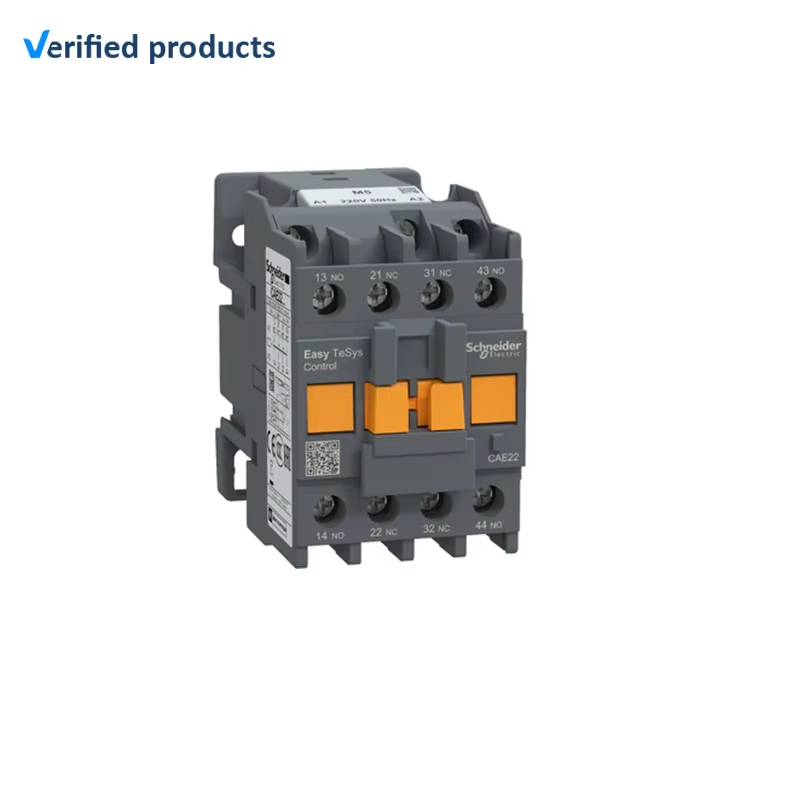
Technical Architecture and System Integration
Core Principles of Technical Architecture Design
Reliable technical architecture for customized automation control systems prioritizes redundancy and fault-tolerant design, ensuring 99.995% uptime in Tier III facilities. According to a 2023 Ponemon Institute study, system failures cost manufacturing firms an average of $740k per hour, underscoring the importance of deterministic response times under 500ms and layered security protocols.
Integration Capabilities and System Interoperability
Modern systems achieve cross-platform interoperability through standardized protocols like OPC UA and MQTT, reducing integration errors by 62% in mixed-vendor environments (2024 Industrial Automation Review). The 2024 Industrial Automation Review highlights successful IIoT integrations that maintained <2% packet loss across hybrid cloud-edge architectures.
Performance Efficiency Indicators and Benchmarking
| Metric | Threshold | Measurement Protocol |
|---|---|---|
| Latency | <500ms | IEC 62443-3-3 |
| Throughput | >1Gbps | IEEE 802.1ASrev |
| System Uptime | 99.97% | TIA-942 Tier Standard |
Technical Feasibility Assessment for Complex Deployments
Real-world deployments require environmental stress testing across -40°C to +85°C operational ranges and electromagnetic compatibility below 3V/m per FCC Part 15. Recent advancements in virtual prototyping reduce physical testing costs by 38% while maintaining 96% accuracy in failure prediction models.
Scalability and Future-Proofing in Customized Automation Control Systems
Scalability of Automation Systems in Dynamic Environments
Customized automation control systems adapt to unpredictable conditions through multi-layered scalability frameworks. A 2023 Gartner study found that systems combining adaptive control logic with elastic cloud infrastructure reduce reconfiguration costs by 38% during scaling. Key strategies include:
- Demand-responsive resource allocation using predictive algorithms
- Multi-protocol communication interfaces enabling cross-platform interoperability
- Hybrid edge-cloud architectures balancing localized processing with centralized coordination
Customizable Workflows and Modular Expansion
Modular component libraries standardize enterprise automation upgrades while preserving custom configurations. Leading solutions use standardized API connectors and drag-and-place workflow designers, enabling non-technical users to modify 74% of routine automation sequences without vendor support (Automation World 2024). This approach minimizes downtime during phased rollouts across distributed facilities.
Future-Proofing Through Flexible System Design
Top manufacturers embed three resilience layers into automation controls:
- Protocol-agnostic communication buses supporting legacy and emerging industrial standards
- Machine learning-powered logic abstraction decoupling hardware from control algorithms
- Over-the-air firmware architecture enabling cross-generation device compatibility
Case Study: Scalable Automation in Commercial and Residential Buildings
A facility management provider serving 150+ properties implemented blockchain-secured automation modules and Kubernetes-based orchestration, achieving:
| Metric | Before Deployment | After 12 Months |
|---|---|---|
| System Expansion Costs | $18.2k/property | $4.7k/property |
| Cross-Platform Integration | 38 hours | 2.8 hours |
| Decentralized control nodes reduced firmware update failures by 91%, while ensuring compliance with regional energy regulations. |
Cybersecurity, Compliance, and Risk Management
Security Protocol Selection for Industrial Control Systems
Modern customized automation control systems use industrial-grade encryption protocols such as OPC UA and Modbus Security to prevent unauthorized access. Systems employing TLS 1.3 reduced breach risks by 38% compared to outdated protocols (Ponemon Institute 2023), balancing robust security with real-time performance needs in data-intensive environments.
Cybersecurity in Automation: Threat Landscape and Mitigation
Ransomware attacks targeting programmable logic controllers increased by 217% between 2021 and 2023 (Cybersecurity Ventures 2024). Zero-trust network architectures now segment automation workflows into isolated zones, limiting lateral movement during breaches. Multi-factor authentication adoption rose 54% in industrial settings last year, significantly reducing credential theft incidents.
Compliance Standards and Regulatory Alignment
Compliance with IEC 62443 and NIST SP 800-82 ensures customized systems meet global safety benchmarks. Organizations using automated compliance tools reduce audit preparation time by 60% while maintaining continuous adherence (2024 Automation Security Report). Cross-industry efforts are advancing machine-readable compliance rules for seamless implementation.
Industry Paradox: Connectivity vs. Vulnerability in IIoT
While IIoT adoption improves operational visibility by 45% (Manufacturing Insights 2024), each connected device expands the attack surface. Analyses show 62% of IIoT-enabled factories face heightened supply chain attack risks, necessitating real-time vulnerability scanners for dynamic threat response. This drives innovation in security-by-design architectures that maintain connectivity without compromising integrity.
Industrial Internet of Things (IIoT) and Data-Driven Connectivity
IIoT and Sensor-Based Control Systems in Modern Factories
Factories today are increasingly relying on IIoT sensor networks for their automation needs. Embedded devices along production lines gather around 15 thousand data points each hour according to TechBusinessNews from last year. The sensors keep track of things like torque levels and temperature limits, sending instant updates to the PLC controllers with response times under half a second. Looking at recent research from 2023 about connectivity solutions, it turns out that when companies implement predictive maintenance through vibration monitoring, they see about a third reduction in unexpected equipment failures across their custom automated systems. This kind of proactive approach makes all the difference in maintaining smooth operations.
Edge and Cloud Computing in Real-Time Automation Control
Hybrid architectures split processing between edge nodes handling safety-critical tasks and cloud platforms managing system-wide analytics. Edge devices execute emergency stops within 10ms, while cloud systems aggregate historical data to optimize batch scheduling. This dual-layer model balances localized responsiveness with strategic insights from centralized machine learning.
Data Flow Optimization in IIoT-Enabled Networks
| Optimization Parameter | Industrial Impact |
|---|---|
| Bandwidth Allocation | Prioritizes robotic command signals over diagnostic telemetry |
| Protocol Standardization | Enables cross-vendor device communication via OPC-UA |
| Traffic Shaping | Reduces network congestion during peak production cycles |
Data pipeline tools filter irrelevant sensor readings before transmission, preserving bandwidth for critical control signals. Advanced timestamp synchronization ensures sub-millisecond coordination across distributed IIoT ecosystems.
Artificial Intelligence and Machine Learning in Automation Design
AI-Driven Decision Making in Custom Automation Control Systems
Modern customized automation control systems leverage AI to process operational data 65% faster than traditional PLCs (Ponemon 2023). Algorithms analyze equipment performance and environmental variables, enabling real-time adjustments to optimize energy use and throughput. For example, AI-powered systems reduce HVAC energy waste by 18–22% in smart buildings through predictive load balancing.
Machine Learning for Predictive Maintenance and Optimization
ML models can spot unusual patterns in how motors vibrate and run hot anywhere from eight to twelve weeks ahead of time when something might break down completely. Recent research looked at several wastewater treatment facilities back in 2024 and saw some pretty impressive results from these smart maintenance systems. Plants that implemented them experienced about forty one percent less downtime overall, plus saved around twenty nine thousand dollars per unit each year on repairs. What makes these systems work so well is their ability to learn from past problems and adjust what counts as normal behavior over time. After just half a year of being installed, most setups hit nearly ninety four percent accuracy when it comes to figuring out which issues need attention first.
Trend Analysis: Autonomous Adaptation in Control Logic
Top automation companies are starting to implement control systems that can change themselves when faced with supply chain problems or shifts in production needs, all while needing minimal input from humans. These systems use something called reinforcement learning to run around 120 to maybe 150 different virtual tests each hour. They figure out the best ways to move materials around when there's an unexpected shutdown somewhere in the process. We saw this work in practice recently at an auto factory where it cut down the time needed to reconfigure conveyor belts by almost three quarters compared to what they were doing before.
Frequently Asked Questions
What is technical architecture and system integration?
Technical architecture and system integration involve designing a cohesive framework for automation control systems to ensure reliable performance, seamless communication between various platforms, and efficient operation.
How do modern systems achieve cross-platform interoperability?
Modern systems often use standardized communication protocols like OPC UA and MQTT to facilitate interoperability across different platforms and vendors, significantly reducing integration errors.
What role does scalability play in automation control systems?
Scalability is crucial as it allows automation systems to adapt to changing conditions and demands, reducing reconfiguration costs and supporting future growth.
How are cybersecurity risks managed in automation systems?
Cybersecurity in automation systems is managed through robust encryption protocols, zero-trust architectures, and multi-factor authentication, among other strategies, to mitigate threats and ensure data integrity.
What is the importance of AI and machine learning in automation design?
AI and machine learning enable automated systems to process data quickly, predict and prevent equipment failures, and optimize operations to enhance efficiency and reliability.
Table of Contents
- Technical Architecture and System Integration
- Scalability and Future-Proofing in Customized Automation Control Systems
- Cybersecurity, Compliance, and Risk Management
- Industrial Internet of Things (IIoT) and Data-Driven Connectivity
- Artificial Intelligence and Machine Learning in Automation Design
-
Frequently Asked Questions
- What is technical architecture and system integration?
- How do modern systems achieve cross-platform interoperability?
- What role does scalability play in automation control systems?
- How are cybersecurity risks managed in automation systems?
- What is the importance of AI and machine learning in automation design?