 EN
EN

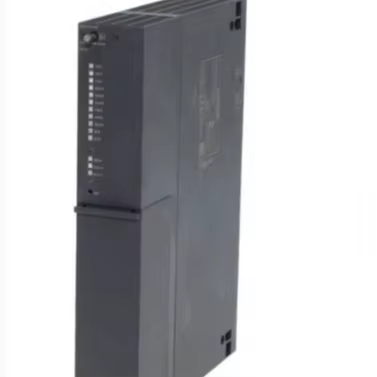
Industrial Automation and Industry 4.0 in Automotive Manufacturing
Car manufacturers are increasingly turning to automated electrical equipment to keep up with rising production needs, particularly as they ramp up electric vehicle manufacturing. With Industry 4.0 coming into play, factories now have these flexible assembly lines that can handle several different car models at once. Some top plants report cutting unexpected stoppages down around 30% thanks to real time data tracking. At the same time, those fancy feedback loops help keep measurements super tight - we're talking under half a millimeter precision on important parts like EV battery cases and motor assemblies. This kind of accuracy matters a lot when building high tech vehicles where even small errors can cause big problems later on.
Use of Collaborative Robots (Cobots) and AGVs in Automotive Production
In today's car factories, collaborative robots take care of around 63 percent of all final assembly work, working right next to people without needing those safety cages that used to be everywhere. These machines don't just sit there either they're constantly moving parts around with incredible accuracy. The automated guided vehicles, or AGVs as they're called, move components across the floor with practically pinpoint precision. They stay in sync with the assembly robots through fast 5G connections. Take one electric vehicle company for example their vision guided AGVs cut down on those annoying parts alignment issues when placing battery modules by nearly half according to their reports last quarter.
Automation Electrical Equipment in Semiconductor and PCB Manufacturing
Semiconductor manufacturing relies heavily on automated electrical equipment to hit those tiny micron tolerances. Pick and place robots can actually repeat positions within just 0.01mm during PCB assembly work. According to market analysis from around 2025, high speed SMT equipment markets are growing at roughly 8% per year. Why? Because everyone wants their gadgets smaller these days, especially with all the 5G rollout and Internet of Things stuff taking off. The latest machines come equipped with advanced component feeders and automatic nozzle switches that keep things running smoothly even when placing parts under quarter millimeter in size. These improvements really matter as manufacturers push against physical limits in device design.
Smart Systems (IoT, AI) Enhancing Yield and Quality Control in Electronics
Optical inspection systems powered by AI technology slashed PCB defect rates down from around 2.5% to just 0.4% at top tier electronics manufacturing facilities. These systems analyze roughly 15 thousand images every single hour to catch problems early on. Meanwhile, predictive maintenance models driven by IoT tech helped reduce unexpected downtime by about 20% in semiconductor cleanrooms. They keep track of all sorts of factors including vibrations, temperatures, and pressures across well over 150 different parameters throughout the facility. What's really impressive is how fast these intelligent systems can tweak manufacturing settings within milliseconds when materials start behaving differently. This quick response helps maintain production consistency at nearly 99.98%, which makes a huge difference in quality control for manufacturers.
Pharmaceuticals and Food & Beverage: Automation for Compliance and Hygienic Efficiency
Precision Dosing and Sterile Automation in Pharmaceutical Production
Pharmaceutical manufacturers use automation electrical equipment to achieve micron-level dosing accuracy while ensuring sterility. Robotic filling systems handle sensitive biologics with 99.98% precision, reducing contamination risks by 60-80% compared to manual methods. Closed-loop systems incorporate vaporized hydrogen peroxide (VHP) sterilization between batches, complying with FDA 21 CFR Part 11 for aseptic processing.
IIoT for Real-Time Monitoring and Regulatory Compliance in Pharma
IIoT platforms linked with industrial automation systems keep track of temperatures within ±0.1°C range while monitoring particulates below 100 per cubic meter, creating audit trails around the clock. The latest Pharmacy Automation Report from 2025 shows these setups cut down on documentation mistakes by about two thirds, plus they handle all the paperwork needed for EMA Annex 11 and WHO GMP requirements automatically. When things start going off track in production processes, smart sensors kick in with fixes roughly 40 percent quicker than what humans can manage. This speed makes a real difference when trying to maintain quality control without constant manual intervention.
Hygienic Design of Automation Electrical Equipment in Food Processing
Modern food automation setups often come with those 316L stainless steel casings that have IP69K protection against harsh washdowns. These designs basically get rid of any little nooks where bacteria might hide out. Looking at conveyor belts now, many models actually incorporate self cleaning features which cut down on water consumption around 30 percent when compared to older methods according to some research from USDA back in 2023. For companies dealing with dairy products or meats, there are special servo motors available that use NSF approved lubricants safe enough for actual food contact areas. This meets all the requirements set forth in EC regulation number 1935 from 2004 regarding food safety standards.
Automated Packaging, Bottling, and Palletizing in Food & Beverage
High-speed automation equipment fills and packages up to 12,000 beverage bottles per hour with less than 0.5% spillage. Vision-guided robots verify label placement, while integrated load cells ensure ±1g filling accuracy across varying liquid viscosities. Smart palletizers dynamically adapt stacking patterns to minimize product damage during transit.
Aerospace, Defense, and Logistics: Complex Assemblies and Scalable Material Handling
Autonomous Robotics and Traceability in Aerospace Manufacturing
In modern aerospace manufacturing, companies are increasingly turning to autonomous robots and tracking systems when putting together those complex composite parts. The electrical automation gear now comes with RFID tags built right in, letting workers keep tabs on every carbon fiber piece as it moves through the factory floor. Some recent research from aerospace engineers back in 2024 showed these tech upgrades cut down on mistakes during wing construction by around 27%. Meanwhile, collaborative robots work alongside human techs to drill super precise holes measuring less than 0.01 mm tolerance. Drones also play their part, flying over structures to do detailed 3D scans and check everything looks good before anything gets permanently assembled.
IIoT and Predictive Maintenance in Defense and Aviation Systems
The Internet of Industrial Things (IIoT) equipped with sensors is changing how maintenance works for both defense and aviation sectors. Take jet engines for instance many manufacturers now rely on vibration monitoring to spot potential bearing issues way before they become problems sometimes as early as 200 to 400 hours ahead of time. Research from last year showed that when companies implemented these predictive approaches, they cut down unexpected equipment stoppages by around 40% during radar system manufacturing. What makes this so effective? The automated systems actually trigger replacement orders right within enterprise resource planning software, which keeps everything aligned with those strict military specification requirements that are so critical in these industries.
AGVs, Robotics, and Smart Warehouses in Logistics and Distribution
Modern logistics centers rely on automated guided vehicles (AGVs) along with robotic sorting systems that can handle around 15 thousand items each hour while maintaining nearly perfect accuracy rates. The automation hardware includes things like dimension scanners and smart inventory management powered by artificial intelligence, which helps figure out the best ways to store goods and arrange pallets. What does all this mean for operations? Orders get fulfilled about 35 percent quicker than before. Damage to packages drops significantly too - roughly 60% less when using those special grippers that adapt to different package shapes. And energy bills take a hit as well, cutting down consumption by approximately 22% thanks to constantly adjusting routes based on what's happening in real time throughout the facility.
Case Study: Global Logistics Leader’s Integration of Cobots and IIoT
One big online retailer boosted warehouse operations last year after installing over 1200 collaborative robots working alongside internet-connected conveyor belts. These smart systems can actually change how fast they sort packages depending on what's happening at any given moment, which means about 30 percent more stuff gets processed when things get really busy around holiday time. The robots eyesight tech cut down on wrong label errors too - we're talking roughly 19% fewer mistakes shipped out in early 2024 according to some industry studies published later that same year.
Cross-Industry Insights: Adoption Trends and Barriers in Automation Electrical Equipment
Discrete vs. Process Industries: Key Differences in Automation Needs
In sectors where things need to stay consistent over time, like pharma production and food processing plants, most companies rely heavily on automation these days. According to MAPI's latest report from 2023, around seven out of ten facilities use automated systems just to keep batches uniform and meet all those regulations. Meanwhile, manufacturers making individual products rather than continuous streams, think car parts makers or aircraft component producers, tend to invest in flexible setups that let them switch production quickly when needed. Because of this fundamental difference in approach, nearly two thirds of capital spending in process industries goes towards smart sensors and connected quality monitoring systems. The numbers tell another story too: discrete manufacturing shops are putting about half their budgets into collaborative robots and automated guided vehicles instead. Makes sense really, since they deal with different challenges altogether.
Investment Trends in Automation Electrical Equipment by Sector
The global market for automation electrical equipment hit $214 billion last year according to Statista data from 2024. That's up 18% compared to 2022, mainly driven by growth in aerospace at 22% compound annual growth rate and electric vehicle manufacturing which saw 31% expansion. Looking at recent industry reports from 2024, we find that factories across the U.S. Southwest and Midwest are ahead of the curve when it comes to adopting Industrial Internet of Things technology. About 41% of these operations have already put predictive maintenance systems in place. When it comes to innovation, process industries hold their own too. These sectors currently claim 38% of all automation related patents, focusing heavily on improving energy efficiency and developing better sterile processing techniques for various applications.
Challenges in Scaling Automation for Small and Mid-Sized Manufacturers
According to NIST data from 2022, around 89 percent of big companies making over $100 million already rely on advanced automation systems. But when we look at smaller manufacturers with less than $50 million in revenue, only about a third have actually implemented robotics technology. What's holding them back? Money is definitely a problem for many businesses. Nearly two thirds say they need to spend more than half a million dollars upfront just to get started. Then there's the whole skills issue too - almost 60% admit their staff doesn't know how to work with those fancy PLC programs. And let's not forget about old equipment either. Close to half struggle because their new tech won't play nice with the decades-old machines still running in their factories. Some promising options are emerging though. Modular automation packages and these RaaS arrangements where companies can rent robots instead of buying them outright seem to be gaining traction. About 29% of small and medium enterprises are experimenting with this kind of pay as you go approach right now.
FAQ
Why are manufacturers increasingly turning to automated electrical equipment?
Manufacturers are adopting automated electrical equipment to handle rising production demands, especially in electric vehicles and electronics, ensuring high precision and reducing unexpected stoppages.
What role do collaborative robots and AGVs play in automotive production?
Collaborative robots and AGVs perform a significant portion of assembly work, moving components with precision and efficiency, often without the need for traditional safety barriers.
How does automation benefit semiconductor and PCB manufacturing?
Automation allows semiconductor and PCB manufacturing to meet micron-level tolerances, increasing efficiency and supporting trends like miniaturization and IoT integration.
What improvements do AI and IoT provide in electronics manufacturing?
AI and IoT enhance quality control by providing precise defect detection, predictive maintenance, and maintaining high consistency in production environments.
How is automation utilized in the pharmaceutical and food industries?
Automation ensures precision and hygiene in pharmaceuticals with accurate dosing and sterile processes, and in food processing, it enables efficient washdowns and packaging with minimal contamination risks.
Table of Contents
- Industrial Automation and Industry 4.0 in Automotive Manufacturing
- Use of Collaborative Robots (Cobots) and AGVs in Automotive Production
- Automation Electrical Equipment in Semiconductor and PCB Manufacturing
- Smart Systems (IoT, AI) Enhancing Yield and Quality Control in Electronics
- Pharmaceuticals and Food & Beverage: Automation for Compliance and Hygienic Efficiency
- Aerospace, Defense, and Logistics: Complex Assemblies and Scalable Material Handling
- Cross-Industry Insights: Adoption Trends and Barriers in Automation Electrical Equipment
-
FAQ
- Why are manufacturers increasingly turning to automated electrical equipment?
- What role do collaborative robots and AGVs play in automotive production?
- How does automation benefit semiconductor and PCB manufacturing?
- What improvements do AI and IoT provide in electronics manufacturing?
- How is automation utilized in the pharmaceutical and food industries?