 EN
EN

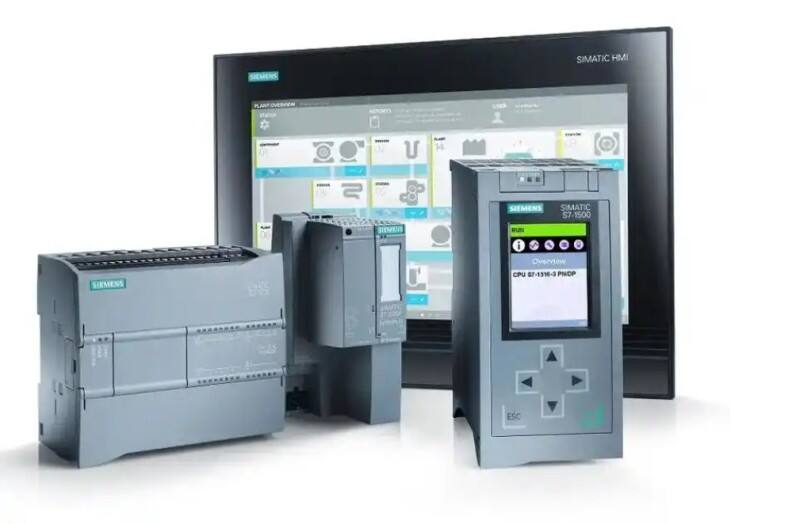
The Foundation of Automation in Smart Factory Architecture
Defining Automation in Smart Factories
Smart factory automation goes way beyond just robots on assembly lines these days. We're talking about systems that can actually optimize themselves by combining artificial intelligence, internet of things technology, and sophisticated control mechanisms. Traditional factory setups were basically stuck doing the same old repetitive tasks over and over again. But now, modern automated systems can adjust on the fly when things change in production, whether that's because customer demand fluctuates or machinery starts showing signs of wear and tear according to Ponemon's research from 2023. What this means is that factories are becoming living, breathing ecosystems where different machines talk to each other in real time using what's called cyber-physical systems. The result? A situation where the physical world of manufacturing gets increasingly intertwined with digital monitoring and control.
Integration of Cyber-Physical Systems and Computer-Integrated Manufacturing (CIM)
Smart manufacturing relies heavily on cyber physical systems these days. These systems basically connect all those sensors throughout the factory floor to cloud computing platforms so everything works together smoothly. When a plant is equipped with computer integrated manufacturing capabilities, it can actually tweak machine settings automatically to save energy. The system also sends out maintenance warnings when vibrations suggest something might be wrong before it breaks down completely. And if certain materials run low, production lines can adjust their schedules accordingly without stopping altogether. All this connectivity cuts down on human oversight by around 35 to 40 percent according to recent studies. What's really important here is being able to track products from start to finish. This kind of transparency matters a lot in industries like aerospace where quality control standards are extremely strict, and similarly in automotive manufacturing where recalls can cost millions.
Smart Manufacturing System Architecture: NIST and RAMI4.0 Frameworks
Leading manufacturers adopt standardized architectures to ensure scalability and vendor-agnostic integration. Two dominant frameworks govern smart factory design:
| Framework | Focus | Key Layers | Industry Adoption |
|---|---|---|---|
| NIST | Interoperability & Security | Connection, Conversion, Cyber | 68% of US plants |
| RAMI4.0 | Component Modularity | Business, Functional, Asset | 74% of EU plants |
The NIST model prioritizes secure data exchange across legacy and modern systems, while RAMI4.0 emphasizes modular upgrades for flexible production lines. Both frameworks reduce integration costs by 32% compared to proprietary solutions (McKinsey 2023).
IoT and AI: Driving Real-Time Intelligence and Decision-Making in Smart Factories
Role of IoT and Industrial Internet of Things (IIoT) in Automation
Smart factories today depend heavily on networks of sensors connected through industrial internet of things (IIoT) platforms that form a cohesive data environment. The systems allow machines to talk to each other along production lines, which cuts down delays in how materials move around the factory floor. Some studies suggest this can reduce wait times between 18% to maybe even 22% when compared with older manufacturing methods according to Manufacturing Technology Review from last year. When real world equipment gets paired up with their virtual counterparts called digital twins, manufacturers gain valuable information about how well machinery is performing and what's happening throughout the entire supply network. This kind of visibility helps spot problems before they become major headaches.
Sensor Networks and Real-Time Monitoring Through Automation
Dense sensor networks form the nervous system of automated factories, tracking variables like temperature, vibration, and throughput efficiency. Advanced edge computing devices process this data locally, triggering automated adjustments to prevent deviations. Plants using real-time monitoring achieve 92% OEE (Overall Equipment Effectiveness), outperforming manual operations by 34%.
Artificial Intelligence for Adaptive Learning and Intelligent Automation
AI transforms raw sensor data into predictive models through techniques like reinforcement learning. One automotive supplier reduced quality defects by 41% after implementing neural networks that adapt welding parameters based on material thickness variations. These systems continuously refine their decision trees, enabling smarter resource allocation without human intervention.
AI Co-Bots Enhancing Human-Machine Collaboration
Modern collaborative robots (co-bots) use computer vision and natural language processing to work alongside technicians safely. Unlike traditional industrial robots confined to cages, AI-powered co-bots interpret verbal instructions and adjust gripping forces in real time. This symbiotic relationship increases hybrid workstation productivity by 27% while reducing repetitive strain injuries.
Robotics and Flexible Manufacturing Systems in Automated Production
Role of Robotics in Manufacturing Automation
Smart factories today are increasingly turning to industrial robots for those tricky precision jobs like welding components together or checking product quality. The results? Error rates drop down to under 0.1% when these bots take over in mass production settings according to IndustryWeek's findings from last year. Beyond just reducing mistakes, these robotic systems keep workers away from dangerous situations and run circles around what humans could ever manage on their own. Take automotive manufacturing as an example many plants have seen their output jump by about 30% once they brought robots into the mix. Makes sense really since machines don't get tired or distracted like people do during long shifts.
Flexible and Reconfigurable Manufacturing Systems (FRMS) Enabled by Automation
FRMS systems run on automation technology that lets them adjust to new products in just about 15 minutes flat. That's way faster than old school methods which used to take forever to retool. These modern setups bring together robot stations alongside those fancy AS/RS storage systems so factories can crank out customized goods in bulk. Take the phone manufacturing sector for instance. A company making smartphones might switch production from 10k units of one model to another completely different design right inside their regular workday. No need to shut everything down for hours while they make adjustments. The savings in time and money are pretty substantial when compared to what it took back in the day.
| System Type | Changeover Time | Downtime Cost per Hour | Customization Capability |
|---|---|---|---|
| Traditional Assembly | 8—12 hours | $48,000 | Limited to 2—3 variants |
| FRMS | <15 minutes | $1,200 | 50+ product configurations |
Case Study: Automotive Plant Deploying Autonomous Guided Vehicles (AGVs)
An auto factory in Germany rolled out 120 automated guided vehicles for moving parts around their massive 500,000 square foot plant. Wait times for components dropped dramatically from 45 minutes down to just 7 minutes after implementation. The system uses smart algorithms that constantly adjust routes as conditions change, which has slashed annual logistics expenses by about 18 percent according to industry reports from last year. What this shows is that automation isn't just making things faster it's actually helping manufacturers keep up with ever changing production needs while keeping costs under control.
Predictive Maintenance and Operational Efficiency Through Data-Driven Automation
Predictive Maintenance Through Automation and Sensor Analytics
Smart factories today are making use of things like vibration monitoring systems, thermal imaging cameras, and pressure sensors to spot potential equipment problems anywhere from three to six months before they actually happen. This proactive strategy stands in stark contrast to traditional maintenance methods where workers only fix machines after something breaks down. According to McKinsey research from 2023, such predictive approaches cut unexpected downtime across manufacturing plants by around 42%. The secret sauce? Machine learning models crunch through years worth of performance records while simultaneously analyzing live sensor readings. These combined insights help identify when parts start showing signs of wear so maintenance crews can swap them out during scheduled service periods instead of scrambling for repairs at inconvenient times.
Real-Time Monitoring and Predictive Insights Through Automation
Industrial IoT (IIoT) networks feed millions of data points daily from CNC machines and assembly lines to centralized dashboards. Key benefits include:
- Fault prediction accuracy: AI models achieve 92% precision in identifying bearing failures in conveyor systems
- Cost reduction: Manufacturers report 30% lower maintenance costs through condition-based servicing
- Throughput optimization: Semiconductor fabs using real-time analytics improve wafer production yields by 18%
Data Point: GE Aviation Reduced Downtime by 25% Using IIoT-Driven Predictions
One major player in aerospace recently rolled out IIoT sensors on all 217 of their turbine blade grinding machines, gathering no fewer than 78 different operational stats every 15 seconds. These smart systems then compare all that collected data against historical maintenance records, basically acting as digital detectives looking for subtle hints that tools are starting to break down before it becomes a problem. When those abrasive wheels get close to that critical 85% wear mark, the whole system jumps into action and books the necessary maintenance work automatically. The results? Production lines stay running smoother than ever before, saving the company around $19 million each year in lost time from unexpected breakdowns.
The Future of Smart Factories: Integration, Scalability, and Workforce Transformation
Trend Analysis: Convergence of IoT, AI, and Robotics in Industry 4.0
Smart factories are changing fast because manufacturers are bringing together things like IoT sensors, artificial intelligence, and robots across their entire operations. Most experts think around 85% of manufacturing companies will be using AI powered automation by the middle of next decade. These systems take information from all sorts of connected equipment and feed it into machine learning models that can adapt as conditions change. The trend matches up with industry standards such as RAMI4.0 and NIST guidelines. What makes these standards important? They help old factory systems work smoothly with new tech solutions rather than creating compatibility problems down the line.
Digital Transformation Roadmap for Legacy Manufacturers
Smart manufacturing transformation means older factories need to embrace modular setups along with cloud solutions. The main things companies should focus on are adding IoT sensors to existing machines, setting up edge computing systems where response time matters most, and training staff to handle these mixed traditional-digital workspaces. Many plants find success when they take baby steps rather than going all in at once. Starting small with just one production line cuts down on risk significantly according to industry reports, somewhere around 40 percent less trouble than trying to overhaul everything simultaneously. This gradual approach allows teams to learn as they go while minimizing disruptions to daily operations.
Strategy: Building Scalable, Secure, and Interoperable Smart Factory Ecosystems
Scalability demands interoperable systems that unify OT (Operational Technology) and IT (Information Technology) layers. Security protocols like zero-trust architectures and blockchain-based data validation are critical for safeguarding interconnected supply chains. For example, deploying autonomous mobile robots (AMRs) with encrypted communication channels ensures seamless material handling without compromising network integrity.
Industry Paradox: Rising Automation Alongside Growing Demand for Skilled Technicians
Automation cuts down on manual work in assembly lines by about 22%, but at the same time creates new job opportunities for people who can train AI systems or handle predictive maintenance tasks. The workforce is changing fast, which means companies really need training programs that mix different skill sets together. About half (that's 55%) of all manufacturers have started working with vocational schools recently to fill gaps when it comes to finding workers who know robotics programming and cybersecurity basics. These partnerships help address the growing demand for specialized technical knowledge across manufacturing operations.
Frequently Asked Questions (FAQ)
What is smart factory automation?
Smart factory automation involves systems that optimize themselves by integrating AI, IoT, and control mechanisms, allowing for real-time adjustments in production processes.
How do cyber-physical systems enhance smart manufacturing?
Cyber-physical systems connect sensors on the factory floor to cloud platforms, enabling automatic machine adjustments and maintenance warnings, leading to greater efficiency.
What frameworks are important in smart factory architecture?
NIST and RAMI4.0 frameworks are key, focusing on interoperability, security, and modular production line upgrades.
How do IoT and AI contribute to smart factories?
IoT and AI create a data-rich environment, with sensors and digital twins providing real-time production insights, enhancing efficiency and problem-solving capabilities.
What is the role of robotics in manufacturing automation?
Robots handle precision tasks, reducing error rates and supporting higher productivity, especially in industries like automotive manufacturing.
What are Flexible and Reconfigurable Manufacturing Systems (FRMS)?
FRMS allows for rapid reconfiguration to new products, greatly reducing changeover times and increasing production customization capabilities.
How does predictive maintenance benefit manufacturing operations?
Predictive maintenance uses sensor analytics to foresee equipment issues months in advance, reducing unexpected downtime and maintenance costs.
How are smart factories transforming workforces?
As automation reduces manual tasks, new opportunities arise for skilled technicians in AI systems training and predictive maintenance.
Table of Contents
- The Foundation of Automation in Smart Factory Architecture
- IoT and AI: Driving Real-Time Intelligence and Decision-Making in Smart Factories
- Robotics and Flexible Manufacturing Systems in Automated Production
- Predictive Maintenance and Operational Efficiency Through Data-Driven Automation
- The Future of Smart Factories: Integration, Scalability, and Workforce Transformation
-
Frequently Asked Questions (FAQ)
- What is smart factory automation?
- How do cyber-physical systems enhance smart manufacturing?
- What frameworks are important in smart factory architecture?
- How do IoT and AI contribute to smart factories?
- What is the role of robotics in manufacturing automation?
- What are Flexible and Reconfigurable Manufacturing Systems (FRMS)?
- How does predictive maintenance benefit manufacturing operations?
- How are smart factories transforming workforces?