 EN
EN

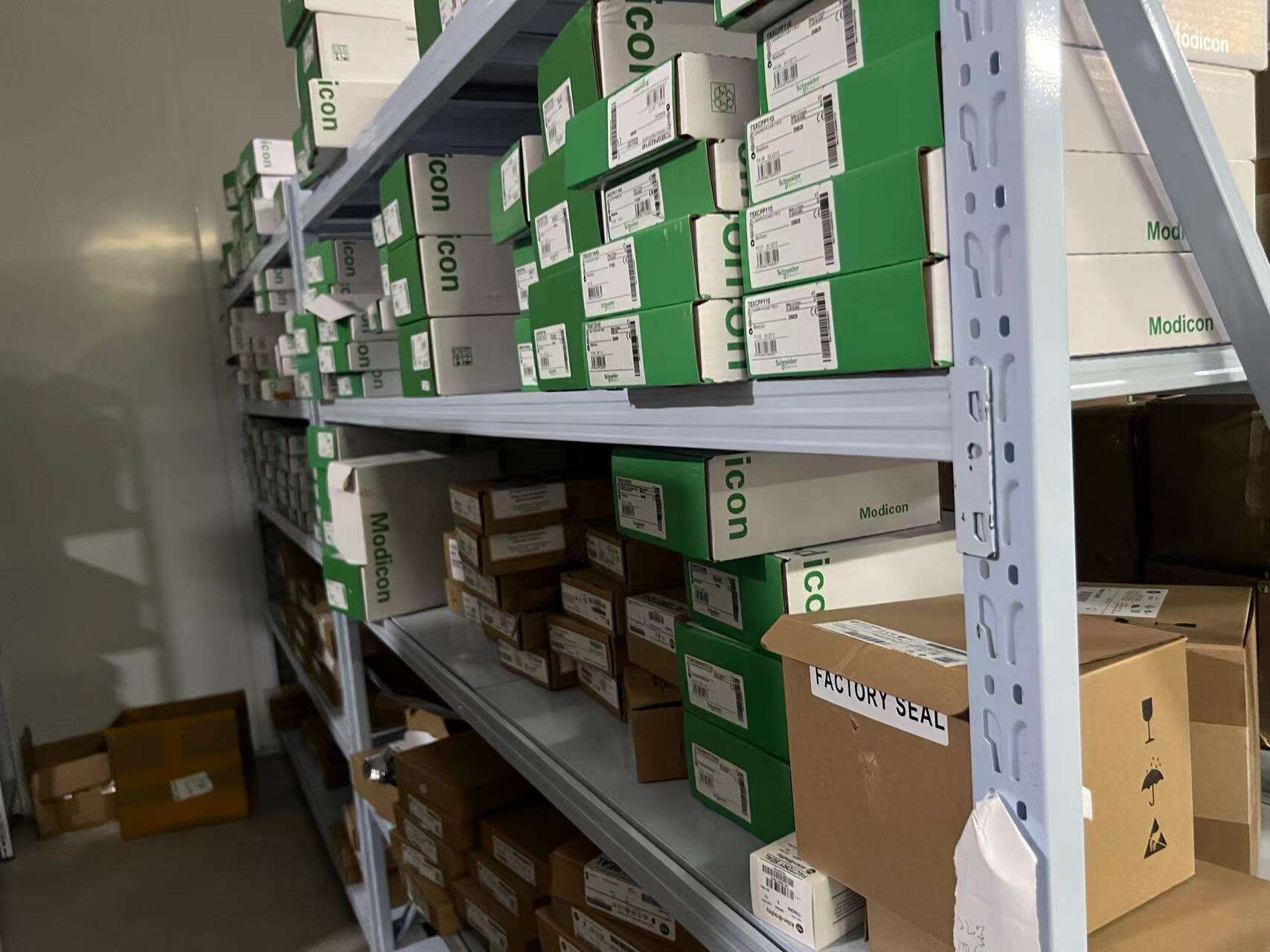
Core Components of a Smart Factory
Industrial Automation Control Systems: The Nervous System
Industrial automation control systems are pivotal to smart factories, forming the backbone that ensures seamless communication and coordination among machines. These systems, which include Programmable Logic Controllers (PLCs) and Supervisory Control and Data Acquisition (SCADA), enable the integration of various manufacturing processes by continuously monitoring and adjusting operations. Through the use of sensors and data analytics, these systems gather critical data, allowing for enhanced operational efficiency and reduced downtime. For instance, PLCs can swiftly handle repetitive tasks while adjusting to changing production demands, demonstrating their necessity in today's advanced manufacturing environments.
Human-Machine Interface Devices: Bridging Operators and Machines
Human-machine interface (HMI) devices are crucial in ensuring effective interaction between operators and machinery. These devices, which range from simple display panels to sophisticated touchscreens, provide operators with real-time data and control capabilities over the manufacturing process. By enabling clear communication between human users and complex systems, HMIs enhance productivity and reduce errors. According to recent statistics, advancements in HMIs have led to a productivity increase of up to 20%, showcasing their impact on successful factory implementations. Case studies, such as the deployment in automotive manufacturing, underline HMIs' role in improving workflows and decision-making processes.
Automated Industrial Control Systems: Real-Time Decision Engines
Automated industrial control systems are integral to supporting real-time decision-making in manufacturing. Unlike conventional control systems, automated systems offer speed and precision in response to dynamic conditions within production. They analyze data and adjust operations promptly to optimize efficiency and ensure product quality. Industries such as food processing and pharmaceuticals benefit greatly from these systems, reporting efficiency gains of up to 30% due to their deployment. By embracing automation, manufacturers can execute processes with increased accuracy, transforming traditional workflows to meet modern demands effectively.
Operational Efficiency and Predictive Maintenance
Optimizing Production with Programmable Logic Controllers
Programmable Logic Controllers (PLCs) are integral to the automation and control systems in smart factories, acting as the brain of many industrial operations. They provide flexibility and reliability in managing production processes, allowing for seamless automation. The cost of PLCs can vary significantly depending on their features and functionality. While some models offer basic functions at lower prices, advanced models provide enhanced capabilities such as better connectivity and faster processing speeds, usually at a premium. Industries such as automotive manufacturing and food processing have significantly optimized their production by incorporating PLCs, resulting in reduced labor costs and higher output rates.
AI-Driven Predictive Maintenance Strategies
AI technologies have ushered in a transformative shift from reactive to predictive maintenance in smart factories. Predictive maintenance strategies leverage AI to collect and analyze data from machinery, anticipating potential failures. This proactive approach minimizes unexpected breakdowns, leading to significant reductions in downtime and maintenance costs. For instance, a study revealed that predictive maintenance can decrease maintenance expenses by up to 30% and cut downtime by 45%. Such advancements not only enhance operational efficiency but also extend the lifespan of machinery, contributing to a more sustainable production environment.
Cost Implications of Smart Factory Implementation
Transitioning to a smart factory involves substantial initial investments, including costs for new technology, training, and system integration. However, these upfront costs are often offset by the significant efficiency improvements and waste reduction that follow implementation. Expert analysis indicates potential savings of 15-20% in operational costs once a smart factory system is fully operational. These long-term savings, alongside increased production efficiency, showcase a compelling return on investment (ROI) for manufacturers willing to embrace this shift. The consensus among industry experts is that smart factories, despite their initial costs, offer a path to enhanced profitability and competitiveness in the long term.
Digital Transformation and Industry 4.0
Cyber-Physical Systems in Modern Manufacturing
Cyber-physical systems (CPS) are integral to the evolution of Industry 4.0, combining computational and physical processes to enhance manufacturing operations. These systems bridge the digital and physical realms by integrating IoT devices, enabling seamless interaction between hardware and software for better operational control. For instance, in modern manufacturing settings, CPS are leveraged to monitor production lines and adjust processes in real-time. A case study in automotive manufacturing revealed a 20% improvement in productivity, attributed to the deployment of CPS, showcasing their potential to revolutionize industrial automation control systems.
IoT Connectivity for Decentralized Operations
In the realm of smart factories, IoT connectivity is pivotal for fostering decentralized operations, allowing various components of the production process to function independently yet cohesively. IoT devices collect vast amounts of data and facilitate real-time communication across systems, ensuring that production is optimized by responding to dynamic changes swiftly. Evidence of IoT's impact can be seen in the electronics sector, where manufacturers experienced a 30% increase in production efficiency due to real-time data sharing and analysis, underscoring the transformative power of IoT in automated industrial control systems.
The Role of Digital Twins in Process Optimization
Digital twins are virtual replicas of physical entities, employed within manufacturing to simulate and model processes, driving significant advancements in process optimization. By creating these digital counterparts, businesses can predict outcomes and make informed decisions, all while enhancing operational efficiency. One notable example is Siemens, which utilizes digital twin technology to optimize its manufacturing lines, resulting in reduced downtime and increased throughput. These applications highlight the role of digital twins in bolstering predictive maintenance and facilitating seamless industrial automation controllers.
Challenges in Smart Factory Adoption
Cybersecurity Risks in Interconnected Systems
The interconnected nature of smart factories presents significant cybersecurity risks that must be addressed. With the increasing integration of industrial automation control systems and IoT devices, vulnerabilities such as unauthorized access and data breaches become prominent threats. Cyberattacks can lead to production downtime, compromised data integrity, and financial losses. To mitigate these risks, industry standards like ISO/IEC 27001 provide frameworks for effective management of information security, and best practices include regular system audits, employee training on cyber hygiene, and employing robust encryption methods. Emphasizing cybersecurity is crucial to protect smart factories from potential threats.
Integration Costs and Scalability Concerns
Financial and logistical challenges are often encountered when integrating new technologies into existing manufacturing systems, particularly those involving industrial automation controllers and programmable logic controllers. The expenses associated with upgrading infrastructure and training personnel can be substantial, impacting the overall budget. Moreover, scalability concerns arise when organizations aim to expand smart factory solutions to accommodate increased production demands. Experts suggest adopting modular technologies and phased implementations to balance high initial costs. Strategies like cloud-based systems enable scalable solutions that grow alongside business needs, ensuring sustainable development.
Workforce Adaptation to Advanced Automation
As smart factories embrace advanced automation, workforce adaptation becomes essential to maintain operational efficiency. Skilled workers are increasingly required to manage and interact with complex automated systems, such as human machine interface devices. This demands a paradigm shift in workforce training and talent development to prevent job displacement issues, fostering agility and skill enhancement. Companies can address these concerns by investing in ongoing education programs and collaborative projects that blend human creativity with technology. Successful examples include organizations partnering with educational institutions to provide training courses focused on digital literacy and automation proficiency, preparing their workforce for the evolving industrial landscape.
Future Trends in Intelligent Manufacturing
Sustainable Production Through Smart Energy Management
In the realm of intelligent manufacturing, sustainable production is becoming a priority with the emergence of smart energy management systems. These systems are pivotal in minimizing environmental impact by integrating renewable energy sources and energy-efficient technologies within smart factories. A significant role is played by these technologies, including solar panels and advanced energy storage, which help in reducing carbon footprints. Statistics from industry reports suggest that companies adopting smart energy management can achieve energy savings of up to 30% and significant waste reduction, highlighting the tangible benefits of sustainability initiatives in manufacturing.
AI-Powered Customization and Agile Manufacturing
AI is revolutionizing the manufacturing sector by enabling customization at scale, ushering in an era of agile manufacturing processes. Through the use of AI, manufacturers can react swiftly to market demands, enhancing product customization and responsiveness. For instance, AI applications in predictive analytics allow firms to tailor production schedules and features to consumer preferences rapidly. This capability cultivates a competitive edge by ensuring that products not only meet but anticipate customer needs. The competitive advantages gained through AI-driven customization allow manufacturers to remain ahead of market trends and consumer demands, positioning them as innovative leaders in the industry.
5G and Edge Computing for Ultra-Low Latency Operations
The advent of 5G technology and edge computing is transforming manufacturing operations by significantly reducing latency. These technologies enable real-time data processing and enhanced connectivity, crucial for time-sensitive applications like automated industrial control systems. Industries are witnessing increased efficiency where decision-making processes are accelerated due to the reduced latency provided by 5G networks. Major technology firms are already implementing 5G solutions in smart factories, showcasing the benefits of seamless connectivity and real-time operation capabilities. This reduces the time lag in transmitting data between machines and central servers, thus improving the overall production process efficiency and effectiveness.